

NATURAL CAPITAL: AT A GLANCE
Completed Strategic Divestment.
Divested 60 percent of our natural gas stake in 2025, achieving an 81 percent reduction in absolute Scope 1 emissions
Sustained Zero Non-Compliance.
Maintained a consistent record of zero non-compliance with environmental laws and regulations across all operations
Tracked Emission Intensity.
Overall GHG emission intensity slightly increased to 0.124 tCO₂e/MWh in 2025, up from 0.123 in 2024
Managed Forests.
Conducted 5,480 kilometers of patrols across 127,608 hectares of geothermal forest lands, detecting 42 threats and filing eight legal cases against illegal activities
Supported Tree Conservation Efforts.
Completed Red List assessments for 1,665 tree species as the sole Philippine partner of the Global Tree Assessment (GTA)
Reduced Total Waste Generated.
Recorded a 58 percent decrease in total waste, driven by the divestment of natural gas facilities and reduced EDC drilling activity
Implemented Single-Use Plastic Policy.
Achieved a 54 percent reduction in plastic waste generation compared to 2024
Reduced Total Waste Generated.
Natural capital was preserved and strengthened through ecosystem stewardship, responsible resource management, and sustained investment in biodiversity programs
The Power of Good Choices for a Regenerative Future
At First Gen, we recognize that our ability to generate value is fundamentally linked to the natural systems that surround and sustain our operations. Our mission to forge collaborative pathways for a decarbonized and regenerative future acknowledges a fundamental tension: we are part of the industrial development whose activities inevitably disrupt the very ecosystems on which we depend. This awareness shapes our reality and perspective on growth, to develop in a deliberate and responsible manner toward operational and natural resilience.
As climate and biodiversity pressures are intensifying, physical assets, water systems, and surrounding ecosystems face increasing levels of stress and risk. Recognizing this reality, First Gen has elevated Natural Capital as a key priority, guiding how we steward air, water, waste, and biodiversity across our operations. Our approach is grounded in the principle that being responsible moves from sustainability into restoration and regeneration. We focus on the value of nature, as it brings resilience to our business and stakeholders.
Monitoring and Control over Our Environmental Footprint
Our multi-year strategic plan is directly aligned with national energy goals, focusing on expanding our renewable portfolio while minimizing our environmental footprint. We are proud to report a consistent track record of zero non-compliance with environmental laws and regulations—a testament to our proactive risk management and dedication to the ecosystems that sustain our business and our host communities.
Our commitment is institutionalized through our Environmental Management System (EMS) and governed by our Environmental, Safety, and Health (ESH) Policy. By maintaining ISO 14001:2015 certification across our subsidiaries, we ensure that our impact on air quality, water systems, and biodiversity is managed consistently for the preservation and protection of the environments where we operate.
Our Strategic Choice for Nature: Commitment to Decarbonization
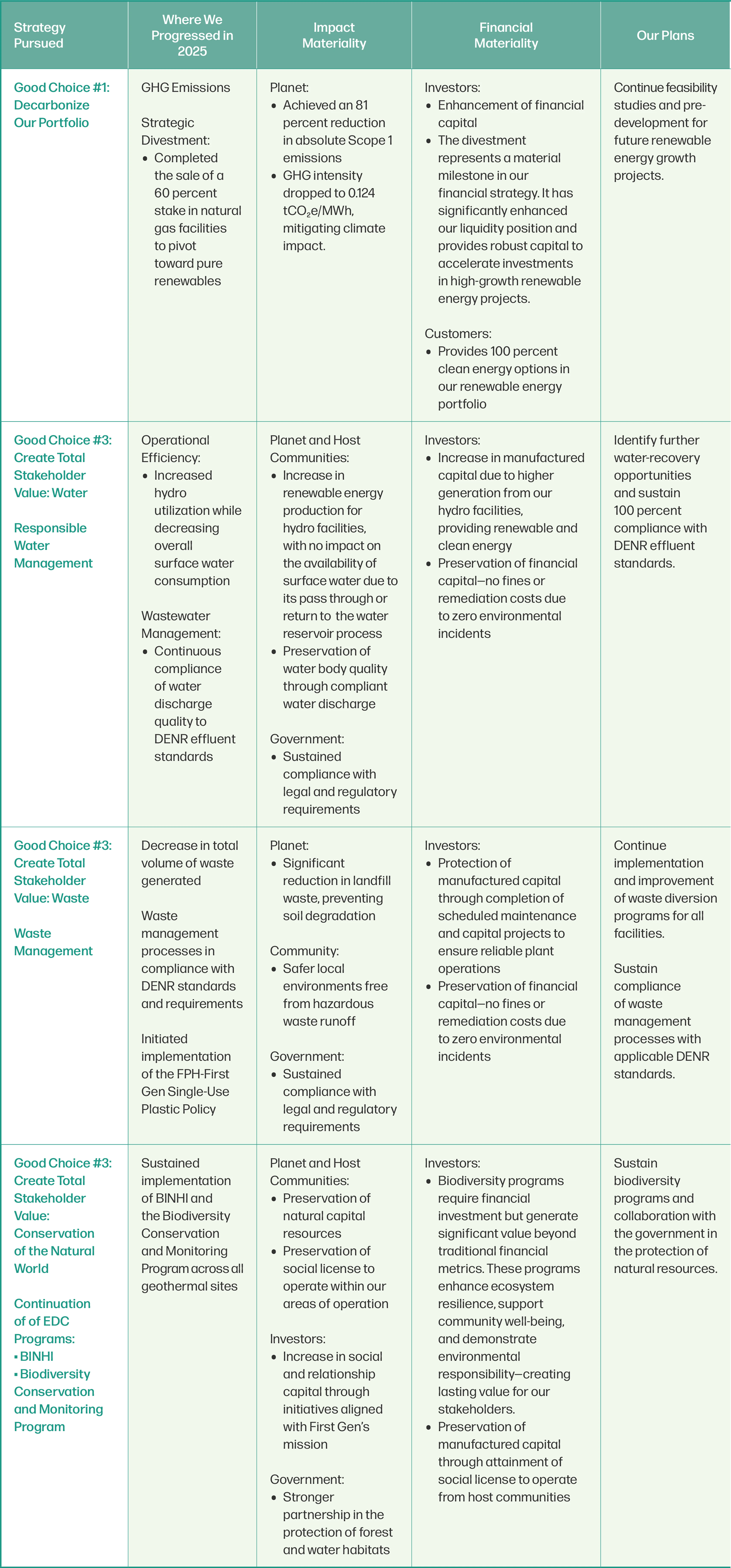
Our choice to divest 60 percent of our natural gas stake in 2025 demonstrates our commitment towards renewable energy for the future. This resulted in a significant reduction in our Direct Scope 1 GHG emissions.
Emissions
First Gen’s Renewable Energy Portfolio relies on geothermal energy, hydropower, solar, and wind. The following emissions stem from geothermal and general operations and maintenance activities across the organization.
CONTEXT OF GHG EMISSIONS INVENTORY AND REPORTING BOUNDARIES
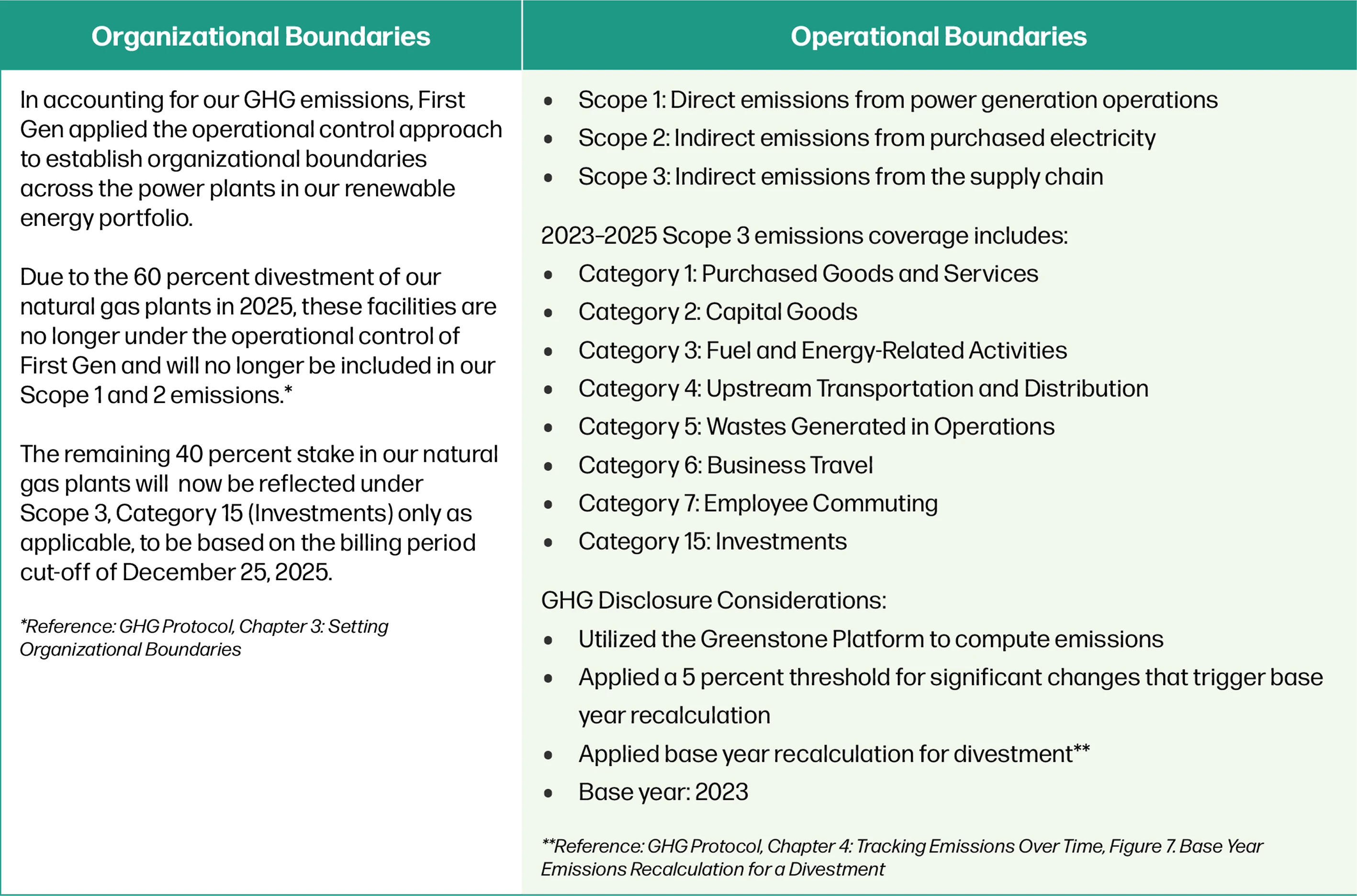
FIGURE 1: TOTAL CARBON EMISSIONS (IN TONNES CO2e)
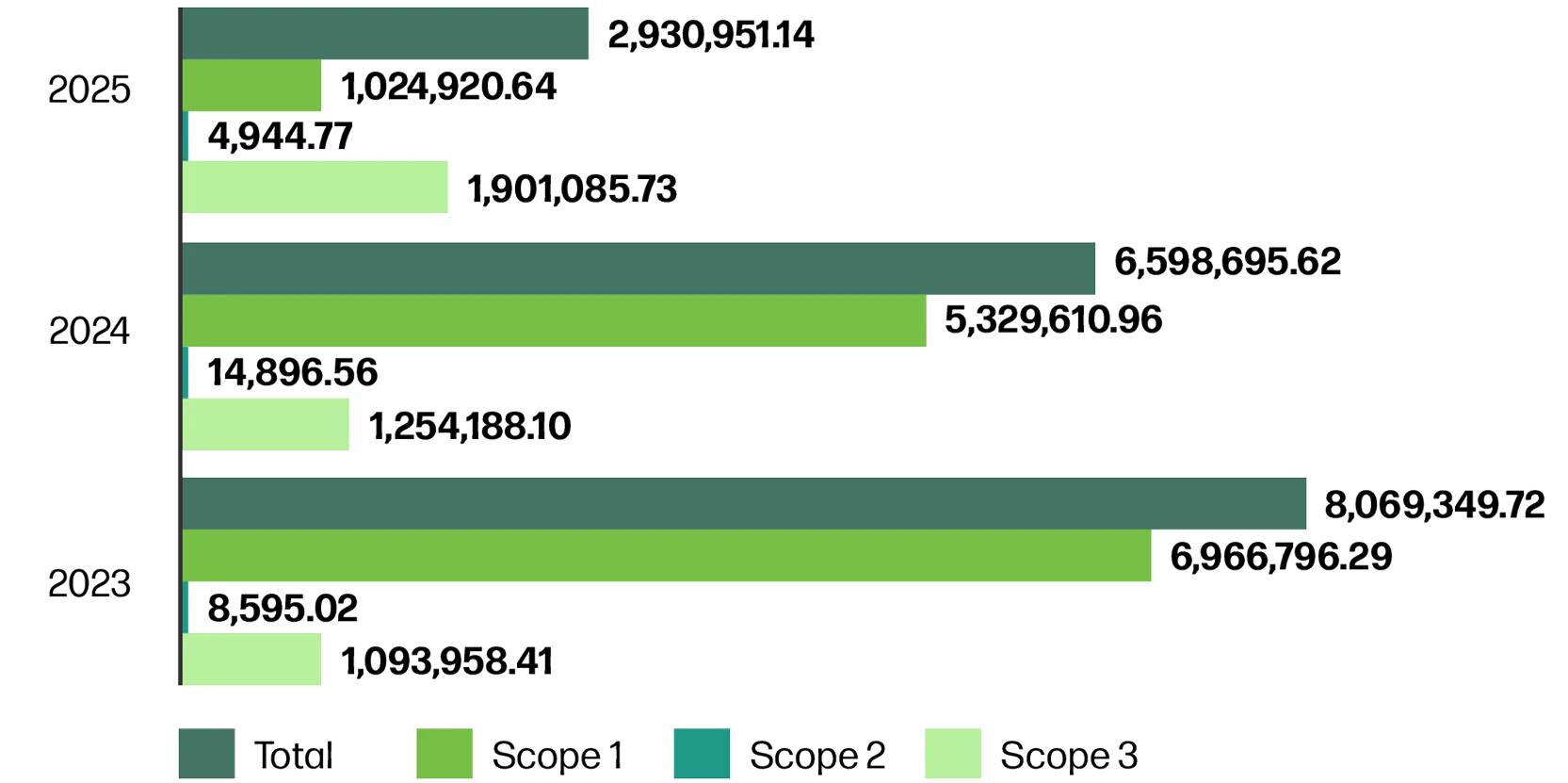
Figure 1 provides a three-year historical view of total emissions from power-generating facilities under First Gen’s operational control. The natural gas facilities in Batangas remained under First Gen’s operational control from 2023 through 2024. The reduction in 2025 total carbon emissions was a direct result of the 60 percent stake divestment and the transfer of operational control.
*The 2024 figures of Figure 1 for Scope 2 and Total emissions have been adjusted. Please refer to the Restatements section for the summary of changes.
FIGURE 2: TOTAL CARBON EMISSIONS – RECALCULATED 2023 BASE YEAR, EXCLUDING NATURAL GAS PLANTS (IN TONNES CO2e)
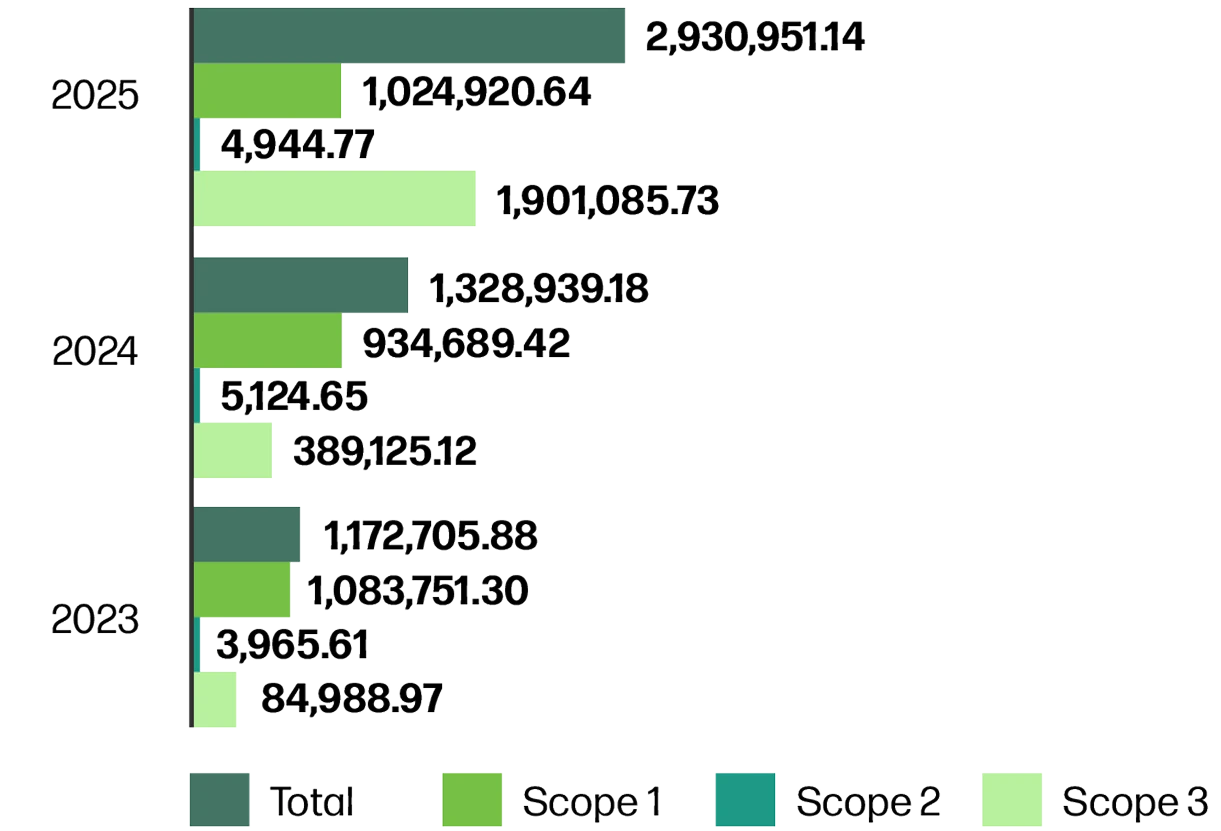
Based on the recalculated 2023 base year through 2025, the Scope 1 and 2 emissions of our renewable energy subsidiary, EDC, now accounts for approximately 99.8 percent of First Gen’s direct emissions.
Scope 3 emissions increased due to First Gen’s 40 percent stake in the Batangas natural gas plants and facilities, categorized under Scope 3, Category 15 (Investments). This category represents 85.3 percent of First Gen’s total Scope 3 emissions in 2025.
FIGURE 3: FIRST GEN’S OVERALL EMISSION INTENSITY
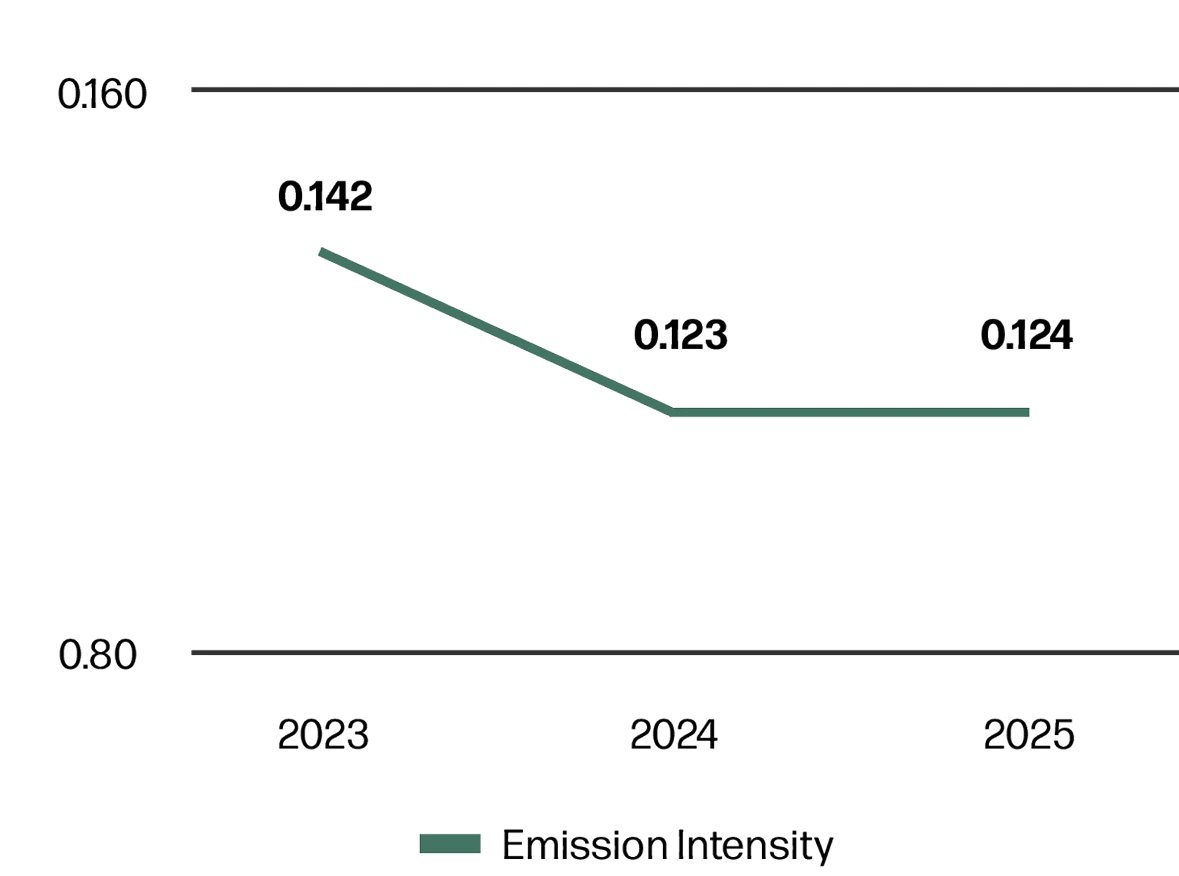
Using the recalculated 2023 base year, Figure 3 presents the three-year emission intensity profile of First Gen excluding its natural gas plants. Overall emission intensity increased to 0.124 in 2025, up from 0.123 in 2024. This slight uptick is due to the increase in the 2025 generation from our geothermal facilities but was offset by the reduction in the GHG emission intensity of our hydropower facilities in Pantabangan, Masiway, and Casecnan due to the higher water inflows brought about by the effects of La Niña, which increased power generation.
Notably, our 2025 energy production of 8,319.9GWh resulted in 85 percent lower carbon emissions compared to an equivalent output from a coal-fired power plant. Furthermore, by generating power from clean and renewable sources, we prevented the release of 5,792,653.06 metric tonnes of greenhouse gas emissions (tCO2e), a reduction equivalent to removing approximately 1,351,167 gasoline-powered passenger vehicles from circulation for a year.
Continual Improvement of Scope 3 Emissions Data Gathering, Management, and Accounting Processes
First Gen continues to improve the data gathering, management, and accounting processes for applicable Scope 3 emissions across our operations. Following the 60 percent divestment of our natural gas facilities in Batangas, we introduced a new Scope 3 category for 2025 to reflect our remaining 40 percent investment under Category 15 (Investments). Table 1 presents the three-year historical profile of First Gen’s Scope 3 emissions.
TABLE 1: 2023–2025 SCOPE 3 EMISSIONS PER CATEGORY
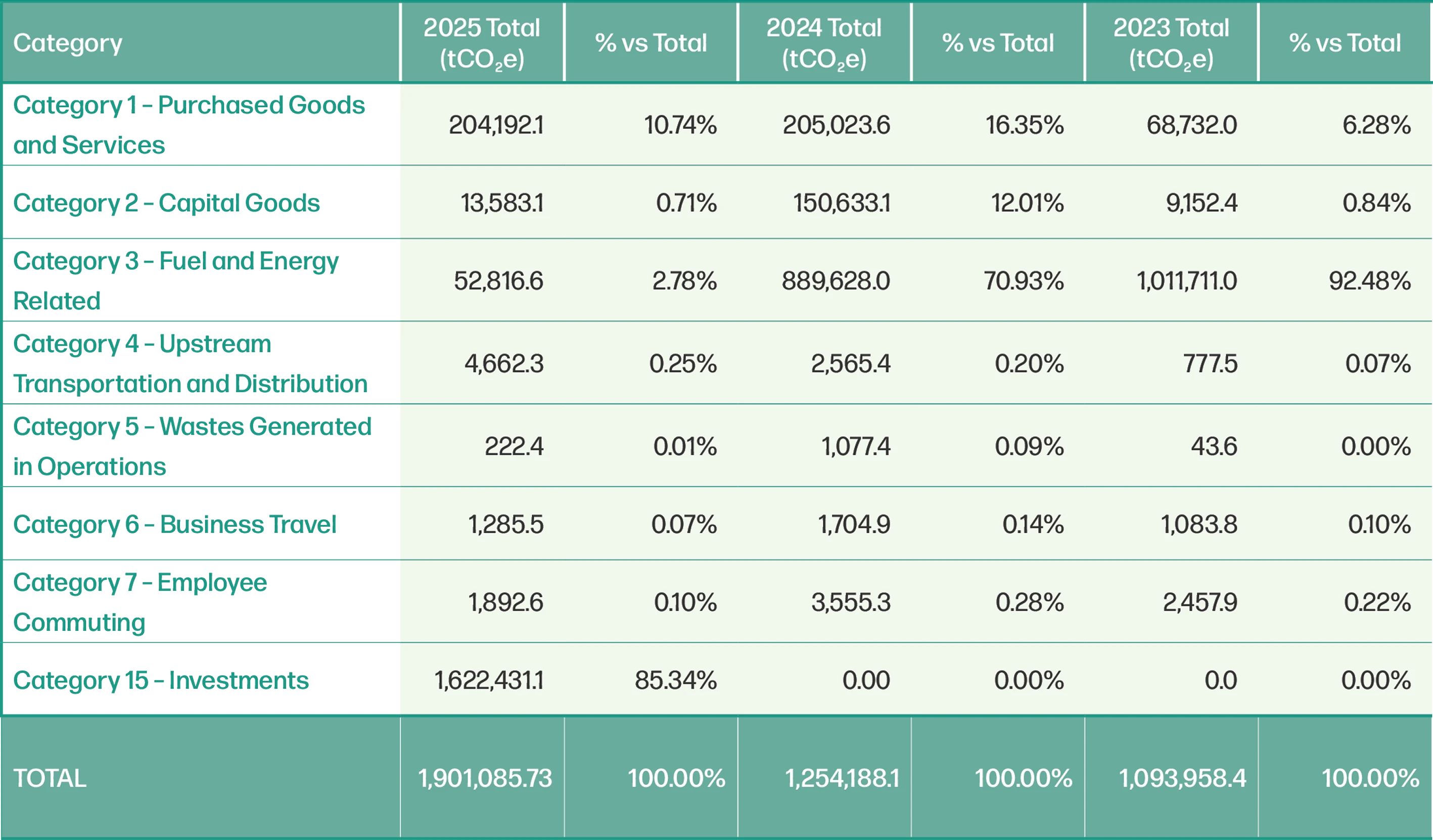
As shown in Table 1, the increase in First Gen’s 2025 Scope 3 emissions is primarily due to the 40 percent non-operational investment stake in the Batangas natural gas facilities. Category 15 also includes the 100 percent transfer of ownership of Pi Energy from FPH to First Gen on May 16, 2025, which accounts for 0.2 percent of First Gen’s total Scope 3 emissions.
Continuation of Decarbonization Initiatives
- Energy Efficiency and Conservation Programs
First Gen has energy efficiency and conservation programs in daily operations through practical measures that reduce unnecessary energy use to promote responsible resource management. These range from energy-conscious practices in the workplace to optimizations and efficiencies in operational processes that include proper maintenance scheduling. - Heat Conservation in Geothermal Excellence
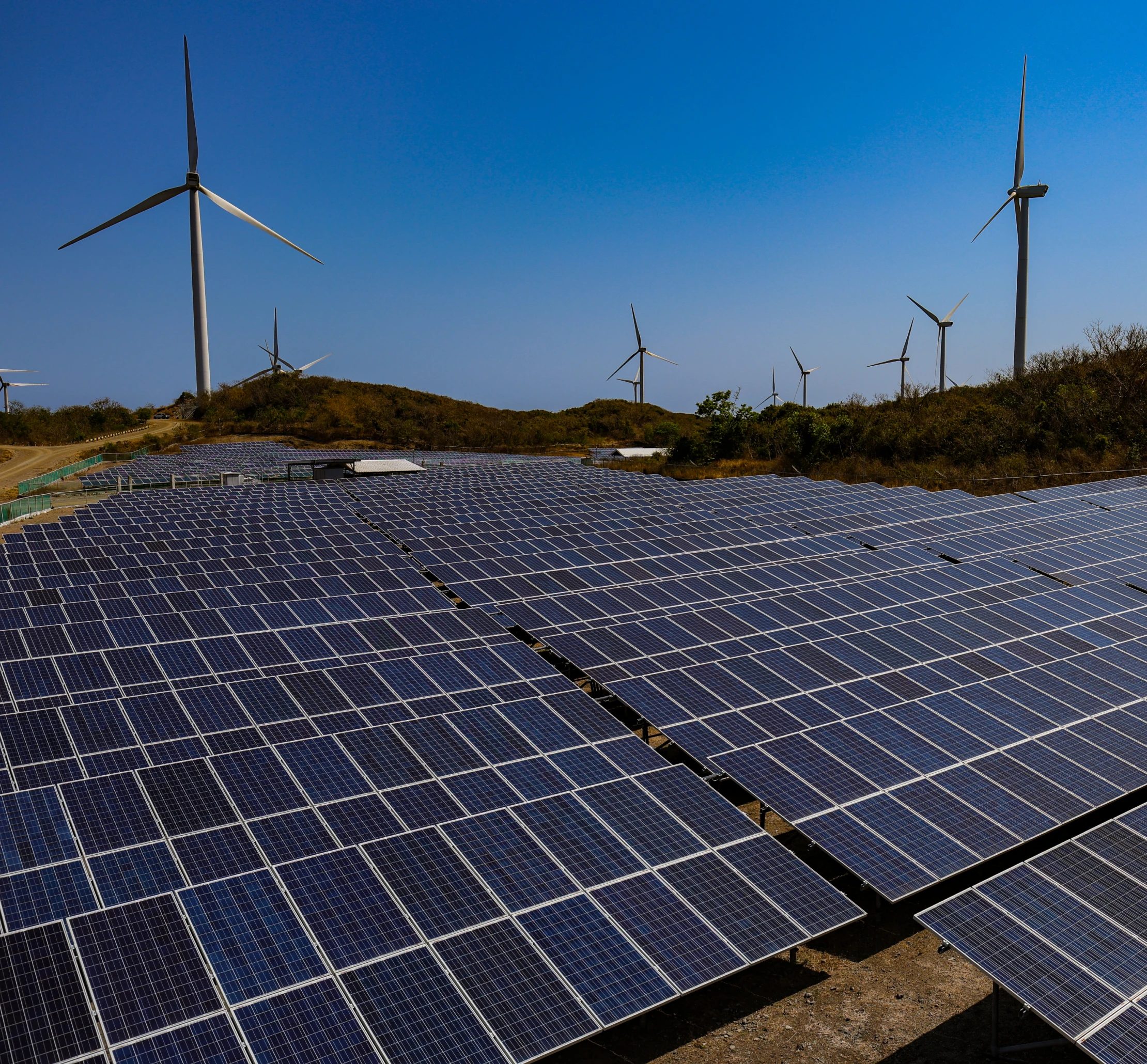
Steam Conveyance Upgrades include restoring pipe insulation, steam traps, and drainpots—deliberate interventions to eliminate thermal waste at the source. By keeping energy captured from field to plant, we realized estimated savings of up to 10MW, expanding clean power output without increasing resource extraction. - Choosing Responsibility in Hydro Management
At the Pantabangan and Masiway plants, the Energy Conservation (ENERCON) program represents a voluntary commitment to operational discipline. Even as high-water elevations required prolonged generation—pushing actual consumption slightly beyond our 1,228,132.0kWh target—the program remained a vital framework for energy mindfulness.
- Choosing Progress at Agusan
In 2025, the Agusan Hydro plant facility exceeded its energy conservation targets with a total station use of 152.7MWh—representing a 44 percent reduction against the target threshold. The plant also increased its LED lighting transition to 85 percent. - Geothermal Targeted Initiatives
EDC implemented the following geothermal-specific initiatives as part of its continual improvement plans in support of First Gen’s decarbonization objectives.
- Scope 3 GHG Accounting Improvement:
To ensure comprehensive emissions tracking, EDC engaged a third-party consultant for its 2025 Scope 3 GHG Inventory—an initiative designed to digitize and systematize the inventory process, improve data accuracy, and prepare for forthcoming SEC regulatory requirements. - External Limited Assurance of Scopes 1 and 2 Emissions:
To ensure data accuracy and comply with current and future requirements of investors, customers, and regulators, the British Standards Institution (BSI) was commissioned by EDC to conduct an external limited assurance of Scopes 1 and 2 GHG emissions data in accordance with ISO 14064-1:2018 requirements. - Carbon Capture and Storage (CCS), a Grounded Timeline:
In the 2024 Integrated Report, we aimed for feasibility completion in 2025 and pilot installation in 2026. The 2025 update reflects feasibility studies planned for 2026, with pilot equipment installation targeted before 2030. This revision is a recalibration of the timeline based on the work of securing financing instruments and establishing the right technical parameters. Upon successful implementation, the pilot CCS stage is expected to reduce EDC’s carbon intensity by 32 percent before 2035, with respect to a 2023 baseline, enabling phased adoption across all EDC geothermal projects toward EDC’s Net Zero 2040 goal.
- Partnering with Customers with the Same Choice for Renewable Energy
First Gen’s renewable energy facilities, in collaboration with its Customer Engagement Group, provide Renewable Energy Certificates (RECs) to customers, which serve as proof of displacing heavy carbon energy and support customers in meeting their own decarbonization and sustainability goals.
Energy Consumption
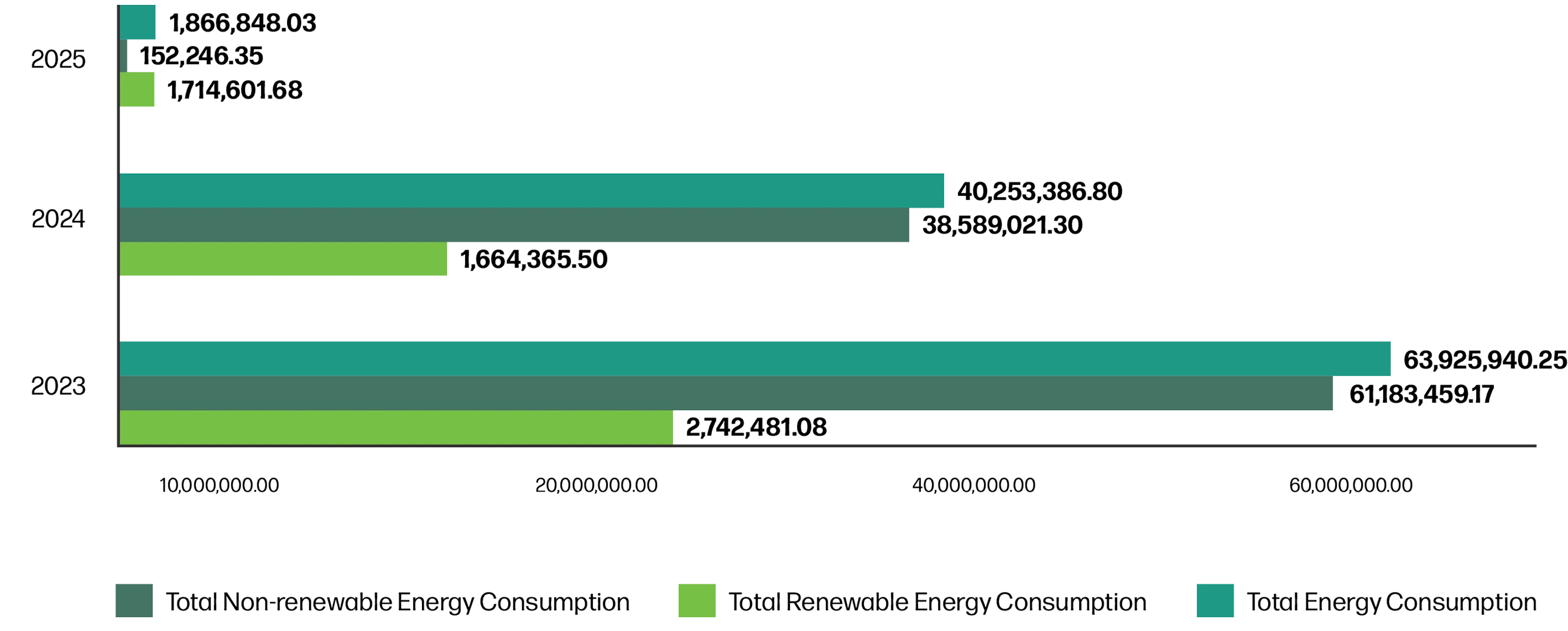
First Gen’s power generation relies on renewable resources and electricity purchased from the grid. As shown in Figure 4, total energy consumption in 2025 declined significantly by 95 percent, largely due to a 99.6 percent reduction in non-renewable energy consumption following the divestment of our natural gas facilities. Renewable energy consumption, on the other hand, increased as a result of higher water utilization and improved generation performance at both our hydro and geothermal facilities.
FIGURE 4: FIRST GEN OVERALL ENERGY CONSUMPTION (IN GJ)
Water and Wastewater Management: Choosing Responsible Water Management Beyond Consumption
At First Gen, water is more than an industrial input—it is a vital resource for the communities we serve and the ecosystems we inhabit. Our commitment to responsible water management means treating every unit of water as a resource to be respected, not merely a volume to be managed. This philosophy is central to our renewable energy portfolio, where water serves as the primary fuel for our hydroelectric plants and plays a critical role across our geothermal operations.
Being a leader in clean energy demands an equal commitment to environmental stewardship. Rigorous monitoring protocols across every First Gen facility ensure that water withdrawal is always precise and purposeful. By strictly adhering to the extraction limits set by the National Water Resources Board (NWRB) and the Department of Environment and Natural Resources (DENR) for both groundwater and surface water, we prioritize regional water security.
For First Gen, responsible water management is a proactive commitment to ensure that our pursuit of energy today does not compromise water availability for future generations. This discipline extends to the domestic water requirements of our teams, which are managed with the same conservation-minded rigor applied across our operations.
TABLE 2: VOLUME OF WATER EXTRACTION, DISCHARGE, AND CONSUMPTION PER FIRST GEN PLATFORM (in ML)
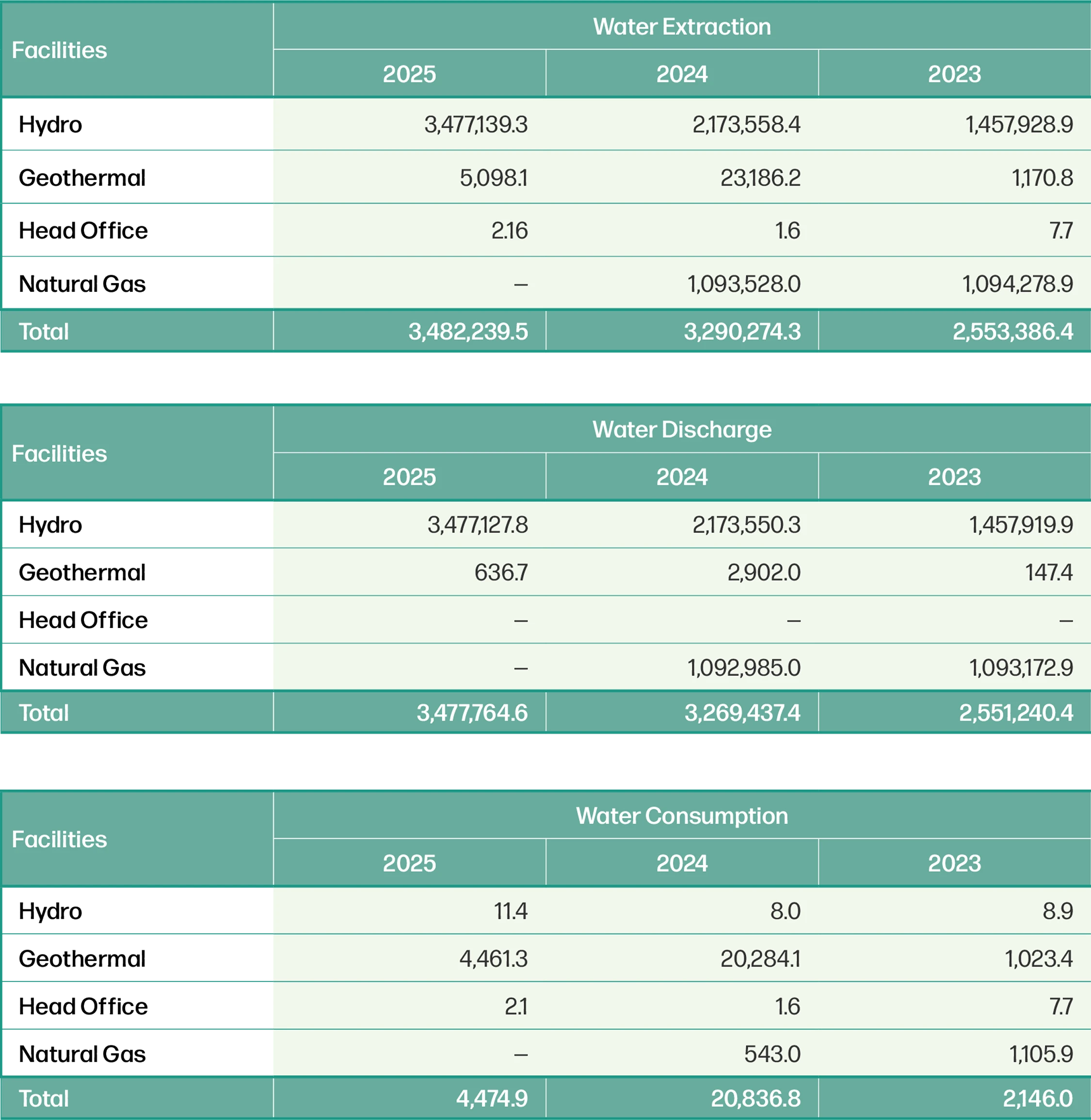
FIGURE 5: FIRST GEN OVERALL WATER EXTRACTION AND DISCHARGE (IN MEGALITERS)
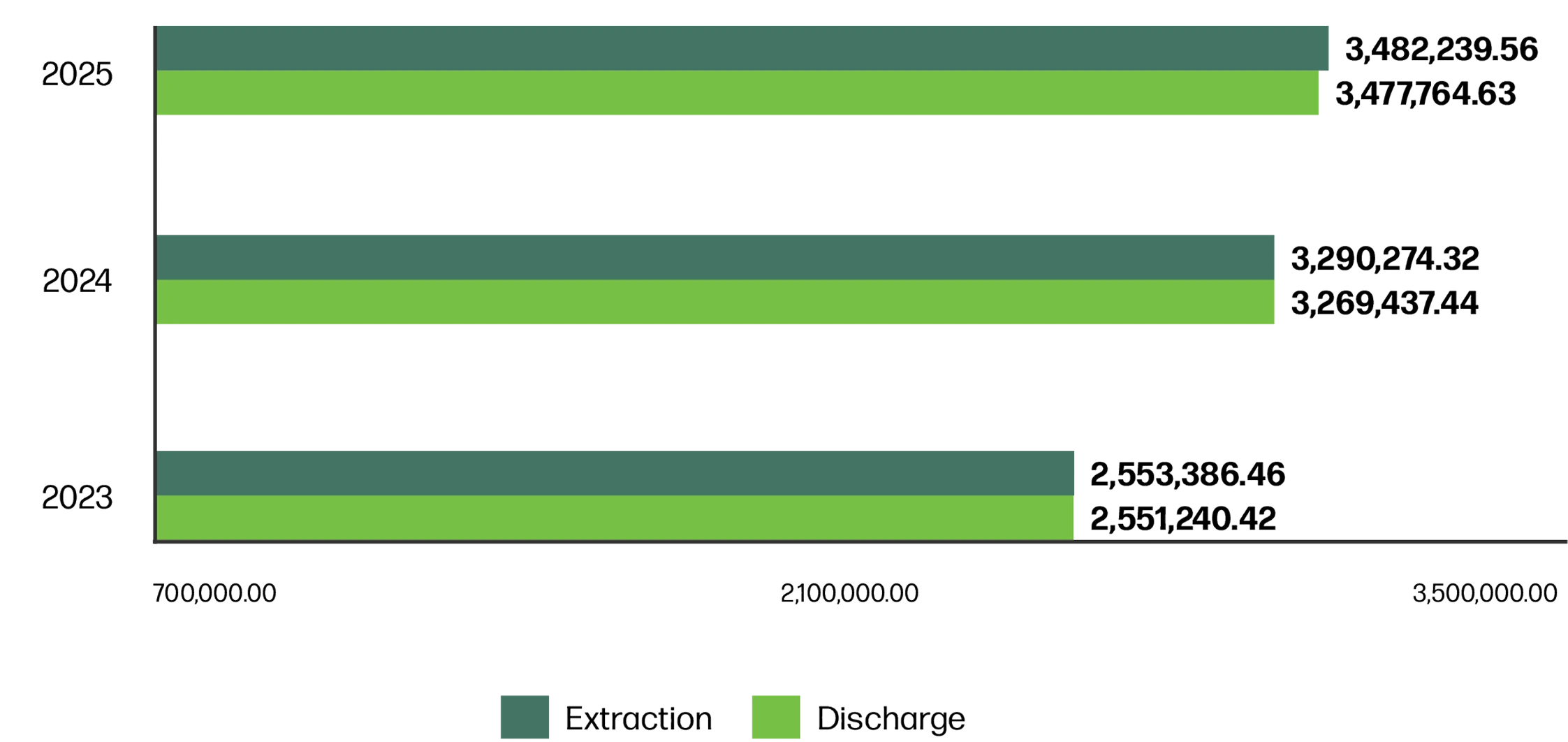
TABLE 3: 2025 SOURCES OF WATER EXTRACTION – FIRST GEN OVERALL AND PER PLATFORM
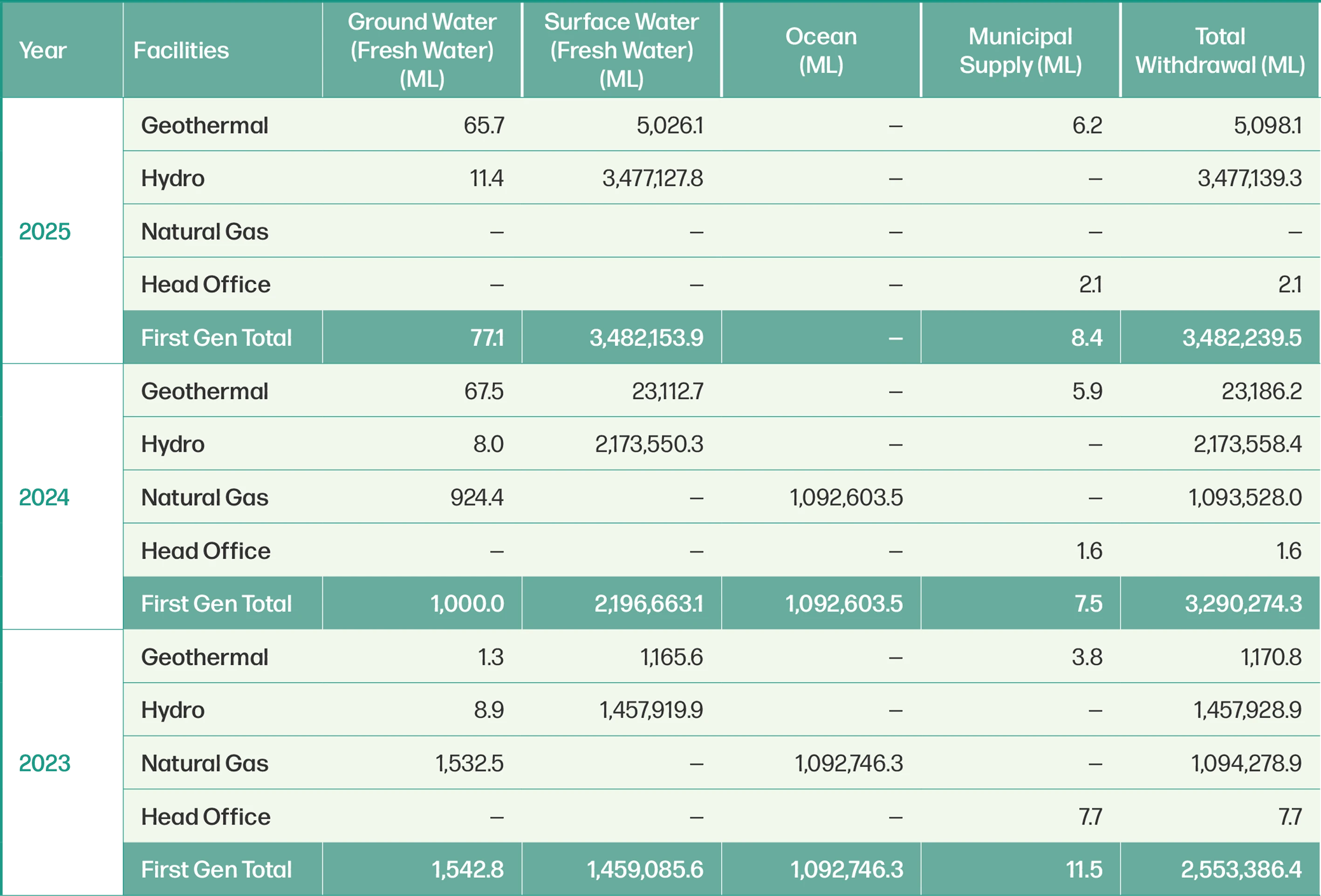
Table 3 shows that First Gen extracted a total of 3,482,239.56 ML of water in 2025. Surface water constituted the largest portion at 3,482,153.99 ML (99.9975 percent), with 99.8857 percent dedicated to hydropower generation. Municipal water supply contributed a minimal 8.42 ML (0.0002 percent), while fresh groundwater extraction totaled 77.15 ML—representing only 0.0022 percent of overall extraction.
First Gen’s hydroelectric plants recorded total water extraction of 3,477,127.85 ML in 2025, with surface water comprising the vast majority. Fresh groundwater consumption was minimal at 11.45 ML. The volume of surface water used at the Pantabangan, Masiway, and Casecnan facilities is governed by the National Irrigation Authority’s (NIA) irrigation release requirements. As shown in Table 2, extracted and discharged water volumes represent surface water that passed through First Gen’s turbines before being returned to the natural receiving body of water.
At the Agusan hydroelectric plant, a targeted water conservation program implemented in 2025 achieved a 13.15 percent reduction in water usage, bringing consumption down from 1,037 cubic meters in 2024 to 841 cubic meters in 2025, through water line improvements and leak repairs. The hydro platforms also executed active watershed management programs to ensure the long-term ecological health and reliability of the hydrological systems on which they depend.
EDC extracted a total of 5,098.10 ML across its geothermal facilities. Surface freshwater was the primary source at 5,026.14 ML (98.59 percent), followed by fresh groundwater at 65.7 ML (1.29 percent) and municipal water supply at 6.26 ML (0.12 percent). The decrease in surface water extraction reflects the minimal well-related activity following the completion of EDC’s drilling operations program. Our geothermal facilities in EDC consume less than 1 percent of the total available water in the watershed.
FIGURE 6: FIRST GEN OVERALL WATER CONSUMPTION (IN MEGALITERS)

The significant decrease in First Gen’s 2025 water consumption figures is directly attributable to the reduced activity in EDC’s geothermal drilling operations program—a key component of First Gen’s clean energy growth strategy.
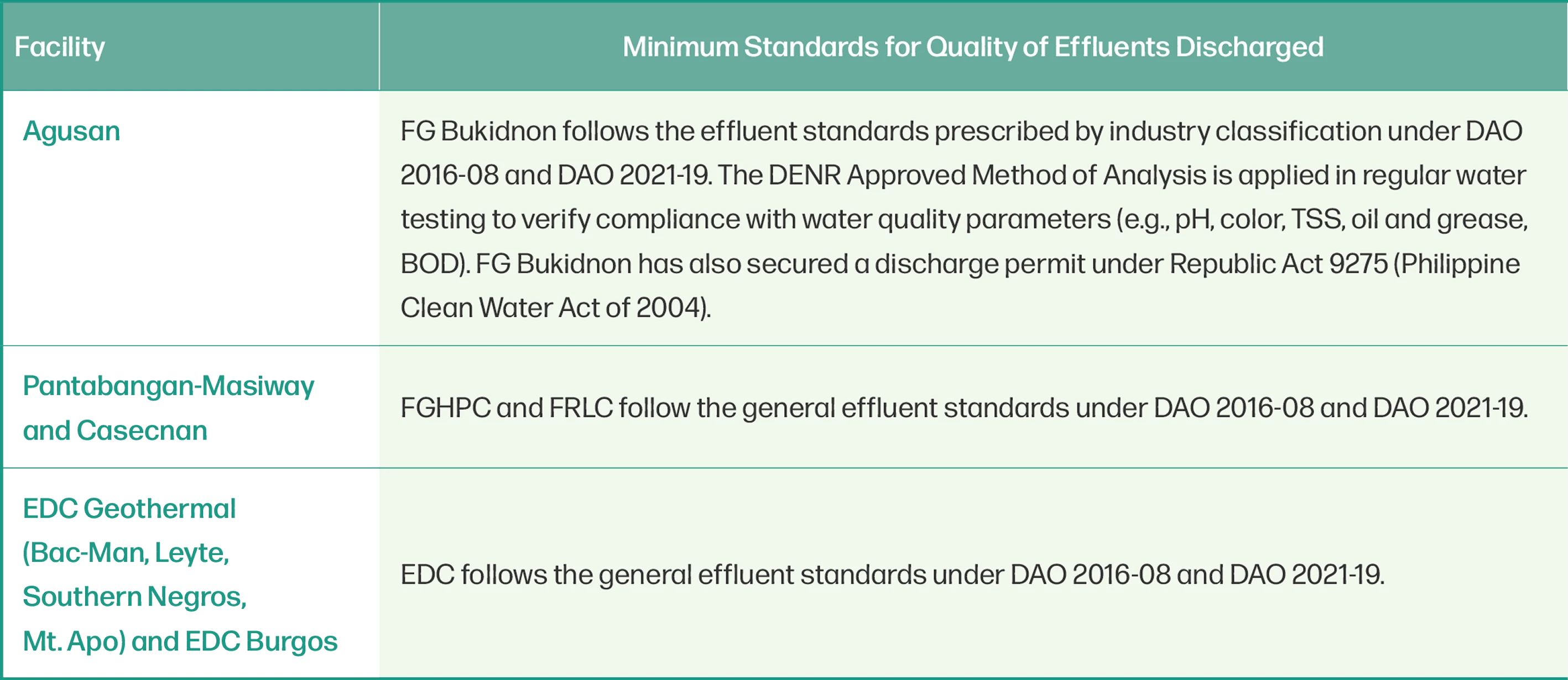
First Gen is committed to responsible wastewater management, ensuring all wastewater undergoes thorough treatment before discharge. Effluent quality is monitored against the standards set by the DENR under Department Administrative Order (DAO) 2016-08, or the Water Quality Guidelines and General Effluent Standards of 2016, and the Philippine Clean Water Act of 2004. These robust water management practices, encompassing efficient consumption and thorough wastewater treatment, underscore First Gen’s dedication to minimizing the environmental impact of its operations.
TABLE 4: WATER MANAGEMENT OVERVIEW
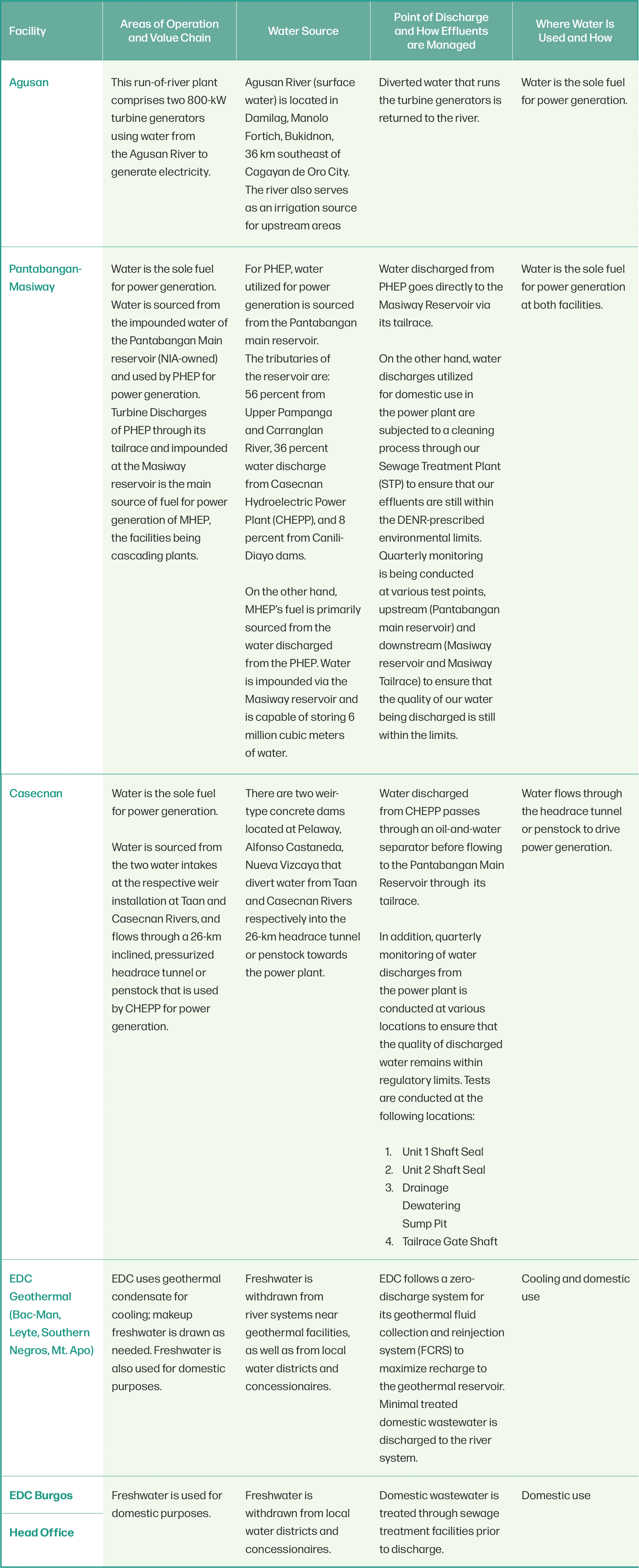
TABLE 5: MANAGEMENT OF WATER RELATED IMPACTS

Waste and Hazardous Materials Management: Choosing a Circular Path
At First Gen, we are moving from regulatory compliance towards a circular economy. Our comprehensive program is grounded on the principle that preventing cross-contamination and maximizing resource recovery are active decisions that would also protect the long-term viability of our host communities.
Our approach is anchored in the waste management hierarchy, prioritizing elimination, reduction, and recycling over disposal. Beyond strict compliance with RA 9003 and RA 6969, our integrated strategy applies rigorous, multi-level due diligence to all third-party service providers, ensuring that our value chain reflects the same integrity we practice internally. Hazardous and non-hazardous materials are managed through secured storage, regulated transport, and specialized treatment protocols.
FIGURE 7: TOTAL WEIGHT OF WASTE GENERATED – HAZARDOUS AND NON-HAZARDOUS (METRIC TONNES)
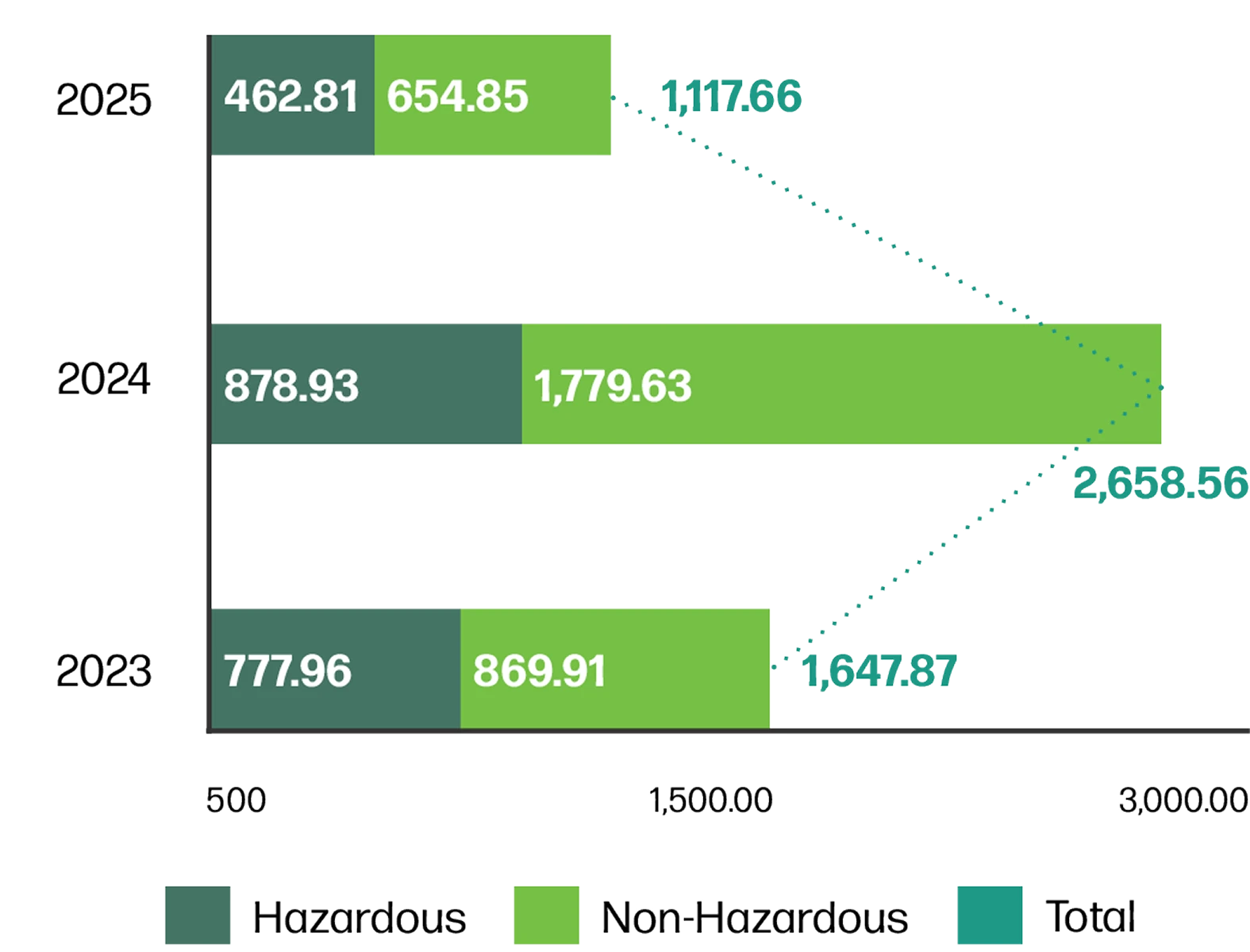
*2023 and 2024 values still include the natural gas plants
Figure 7 reflects a portfolio in transition, where strategic decisions have directly produced a leaner environmental profile. First Gen recorded a 58 percent decrease in total waste generated in 2025 compared to the prior year—a direct outcome of the 60 percent divestment of our natural gas facilities and the programmed reduction in EDC drilling operations. We will continue to identify opportunities to advance waste diversion, moving toward our goal of circularity through resource material optimization and stewardship.
FIGURE 8: TOTAL WEIGHT AND PROPORTION OF WASTE DIVERTED, WASTE DISPOSED, AND WASTE STORED (METRIC TONNES)
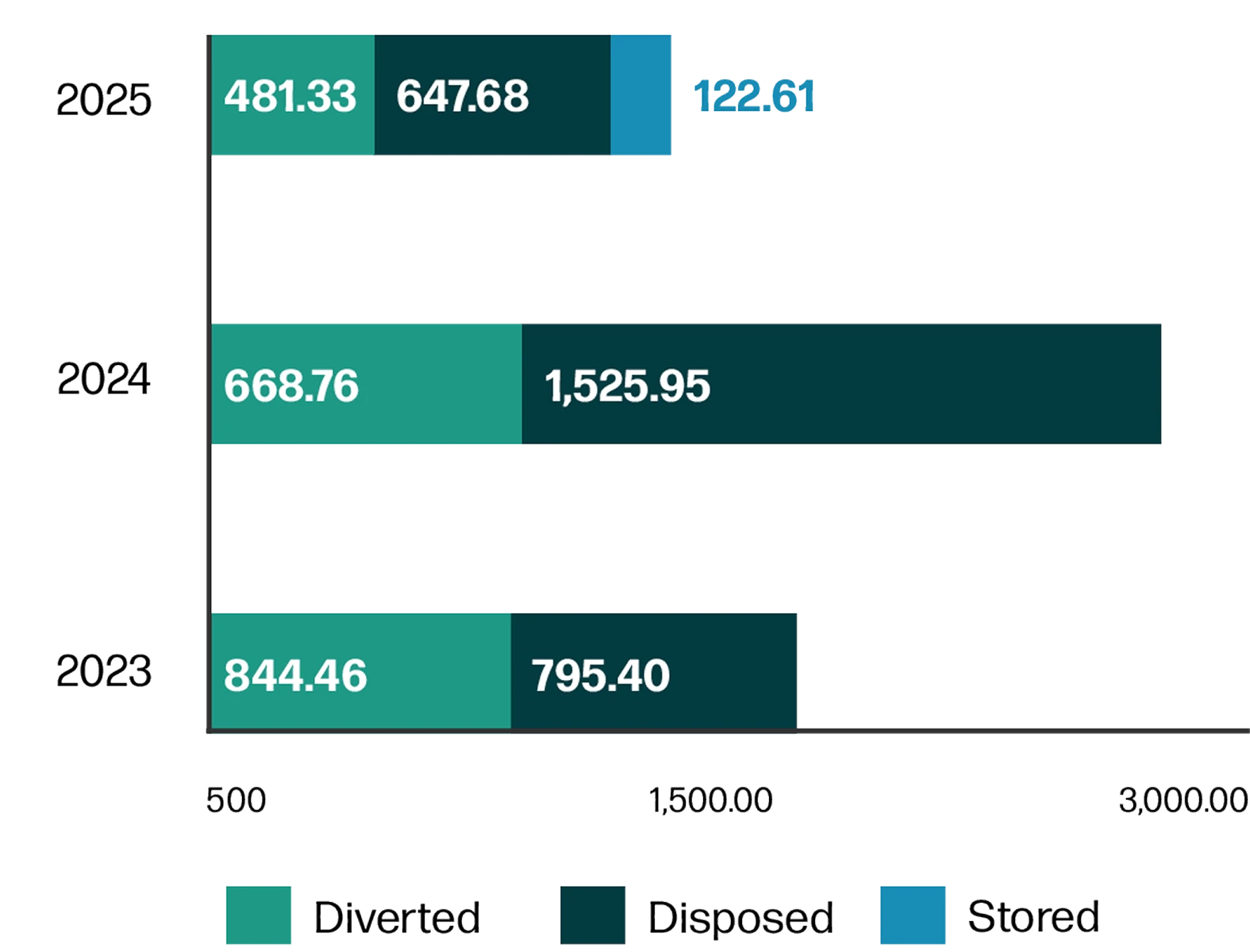
In 2025, 481.33 metric tonnes (38 percent) of the overall waste volume were diverted, while 647.68 metric tonnes (52 percent) were disposed of through landfills and accredited hazardous waste treaters. The remaining 122.61 metric tonnes (10 percent) are in temporary storage, while they are being programmed for further management in 2026.
FIGURE 9: HAZARDOUS WASTE MANAGEMENT (WEIGHT IN TONNES): DIVERSION, DISPOSAL, AND STORAGE (IN PERCENTAGES)
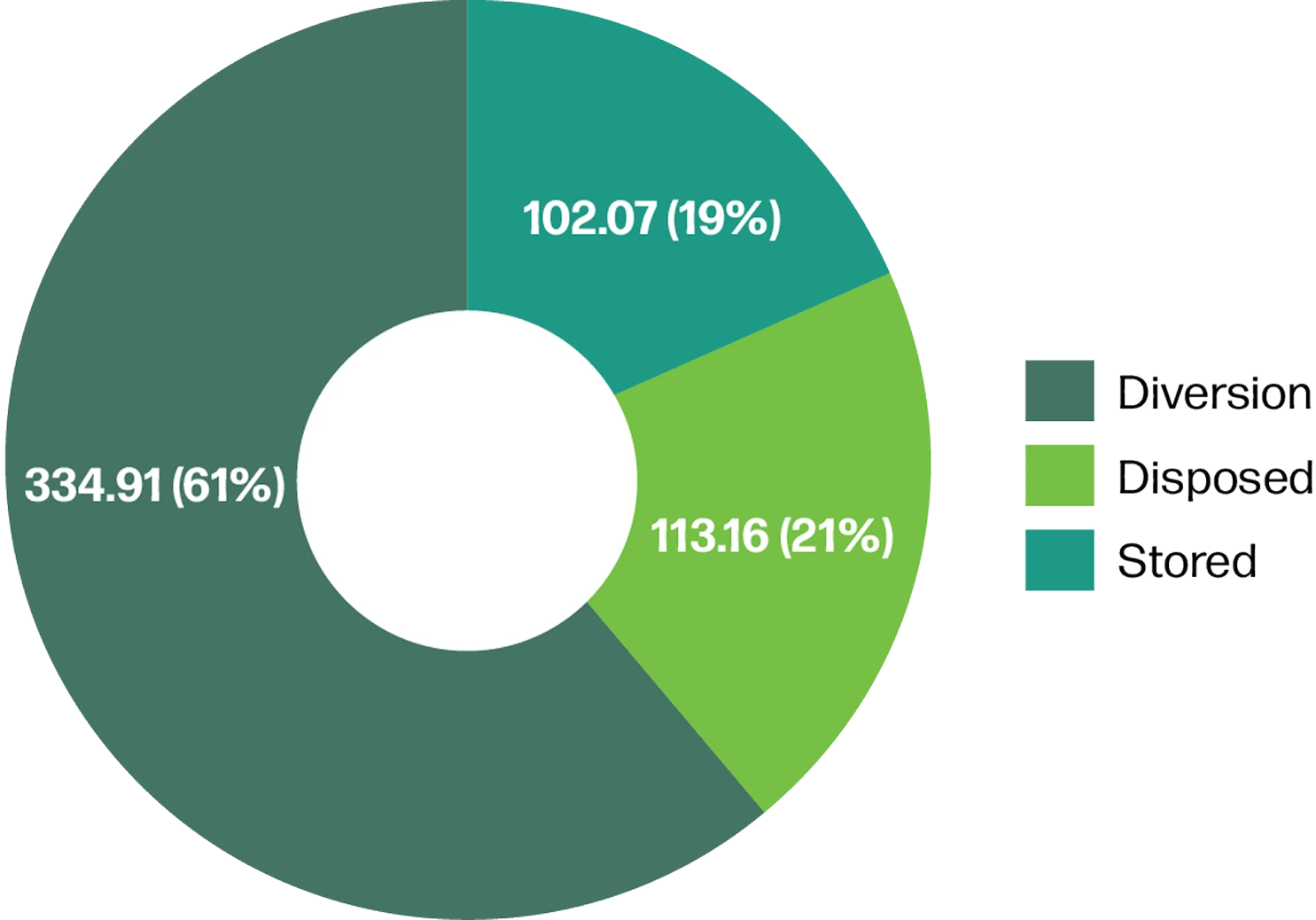
FIGURE 10: 2024 NON-HAZARDOUS WASTE MANAGEMENT (WEIGHT IN TONNES): DIVERSION, DISPOSAL, AND STORAGE (IN PERCENTAGES)
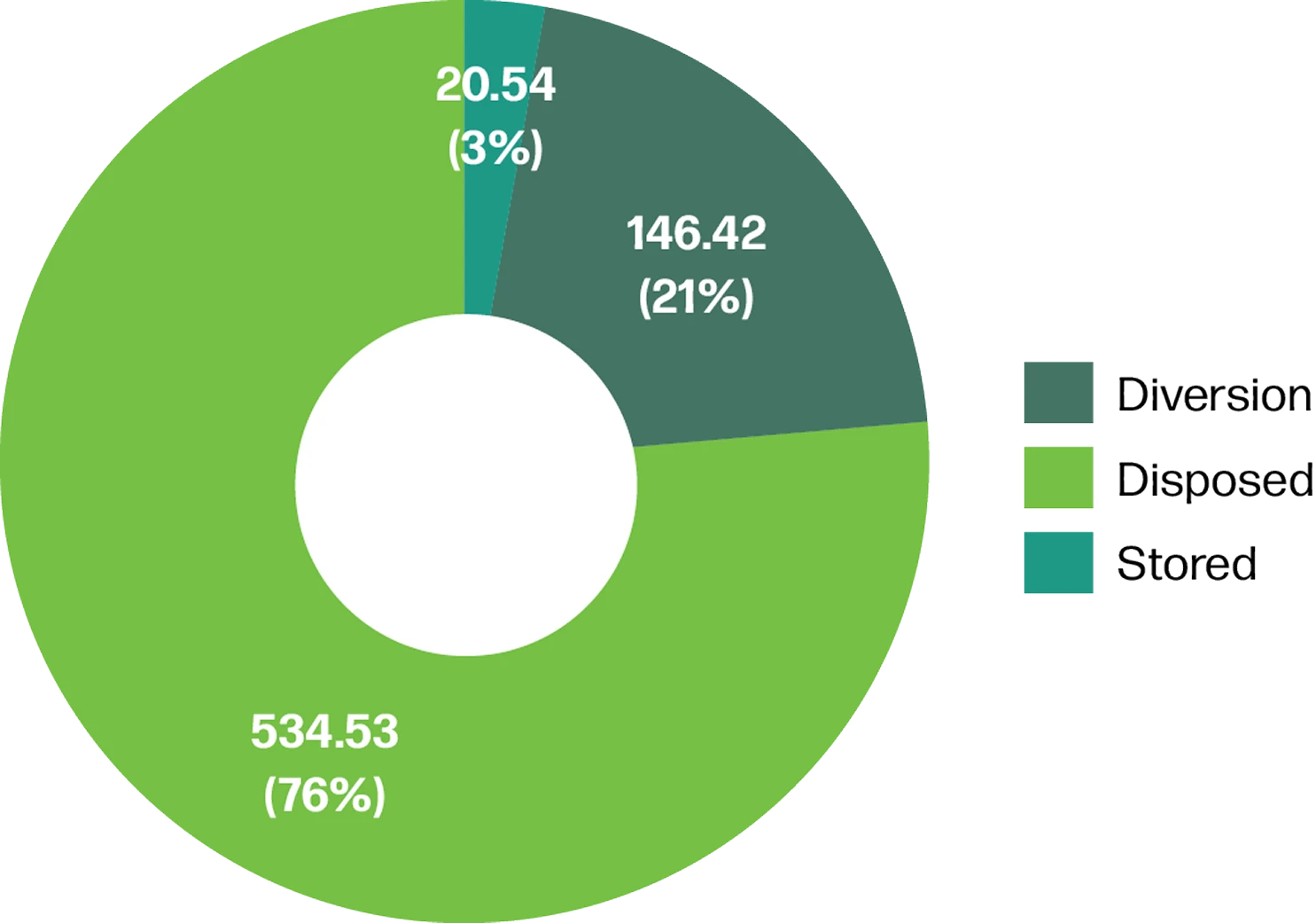
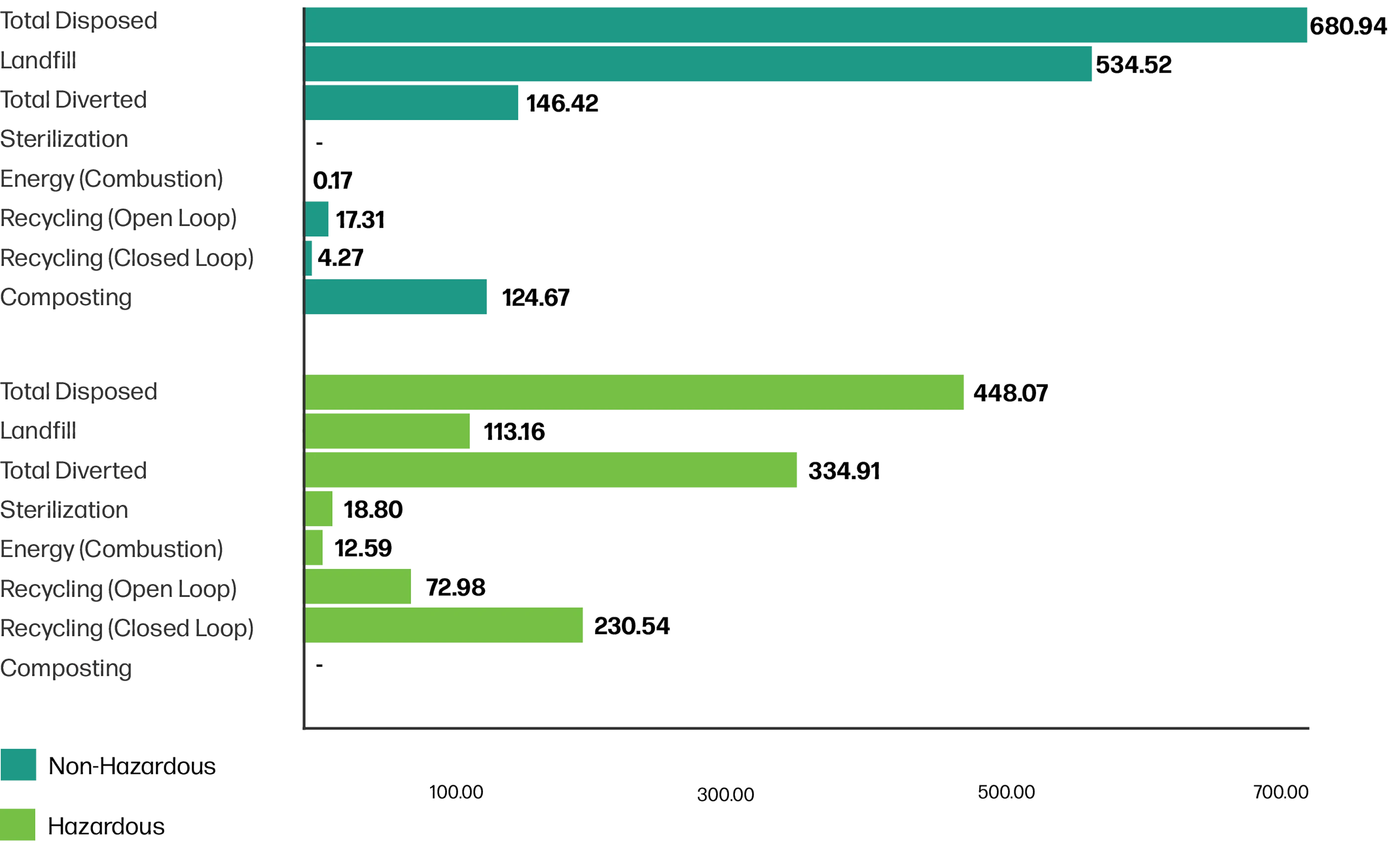
Figure 11 below provides an overall summary of how First Gen treated the disposal and diversion of its hazardous and non-hazardous wastes. In 2025, 61 percent of hazardous wastes were diverted, primarily through the recycling of used oil, used batteries, electronic waste, and energy combustion and sterilization, while 21 percent of non-hazardous wastes were diverted, primarily through composting, followed by recycling and energy combustion treatment. On the other hand, 21 percent of hazardous wastes and 76 percent of non-hazardous wastes were disposed of through landfill. For EDC, the bulk of diverted hazardous waste from geothermal operations consisted of used oil, used batteries, and e-waste which were recycled and donated to ABS-CBN Lingkod Kapamilya Foundation, Inc. (ALKFI), through its Bantay Baterya and Bantay Langis Programs. In 2025, the total proceeds amounted to PHP649,645. Since 2010, EDC has donated a total of PHP17 million to ALKFI.
FIGURE 11: DISPOSAL AND DIVERSION TREATMENT FOR NON-HAZARDOUS AND HAZARDOUS WASTES (WEIGHT IN TONNES)
Our waste profile evolved significantly in 2025. With the conclusion of the 2024 heavy maintenance cycle and the handover of Batangas Gas operations, total waste volumes went down. Our current focus is on improving diversion rates across all platforms.
While the 2025 non-hazardous waste diversion rate was 22 percent, this represented a proactive management strategy. Rather than opting for immediate landfilling of difficult materials like PVC cooling tower fill, EDC elected to securely store these items onsite. This “intentional sterilization” phase ensures that we only move toward final disposal once specialized, environmentally sound treatment agreements are finalized, upholding our commitment to long-term waste management.
First Gen’s Choice to Reduce Single-Use Plastic Waste Generation in Its Operations
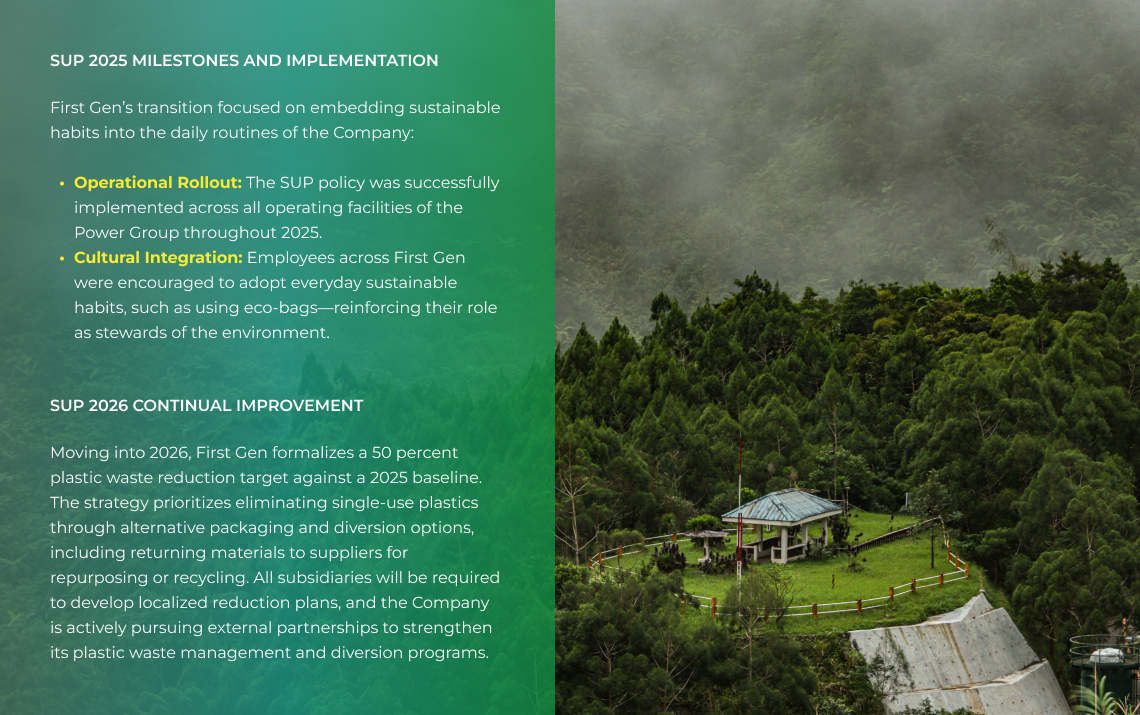
On March 10, 2025, FPH Senior Leadership approved the implementation of the Single-Use Plastic (SUP) Policy across all subsidiaries. Subsidiaries were notified to begin transition planning from the second quarter of 2025.
First Gen accelerated this commitment by fully operationalizing the FPH SUP Policy across its facilities, supported by a company-wide information and education campaign—including the head office.
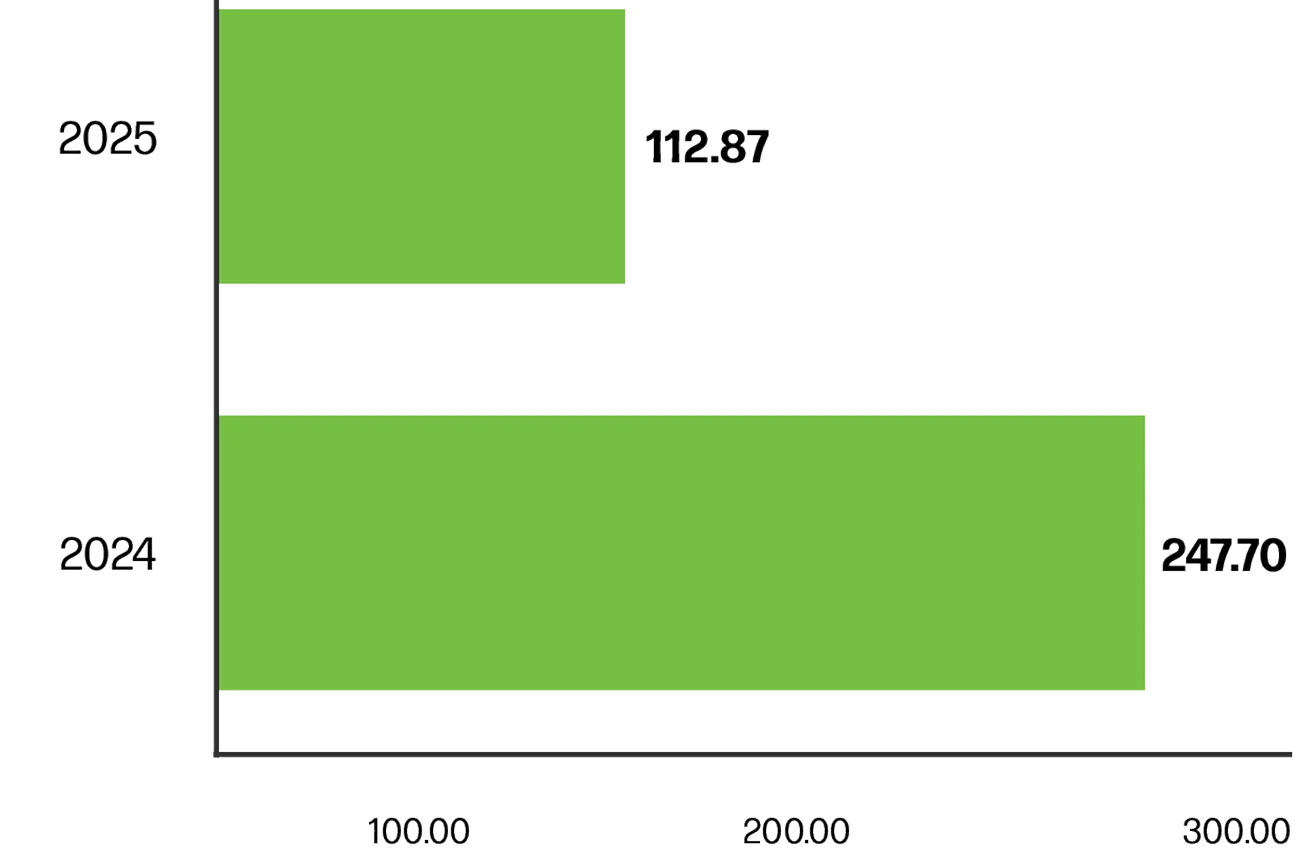
The shift from policy to on-the-ground execution has significantly reduced First Gen’s operational waste footprint and built a culture of environmental stewardship among its workforce. As shown in Figure 12, plastic waste generation declined by 54 percent in 2025 compared to the previous year.
FIGURE 12: 2024 vs 2025 FIRST GEN PLASTIC WASTE GENERATION (WEIGHT IN TONNES)
Biodiversity
For First Gen, ecosystem and biodiversity stewardship is not a passive obligation—it is a deliberate, ongoing commitment to go beyond sustainability toward active regeneration. By prioritizing the health of our natural ecosystems, we secure the long-term resilience of our operations and the communities that depend on these ecosystems.
OPERATIONAL SITES WITHIN OR CLOSE TO AREAS OF HIGH BIODIVERSITY VALUE AND SIGNIFICANT IMPACTS OF ACTIVITIES, PRODUCTS, AND SERVICES
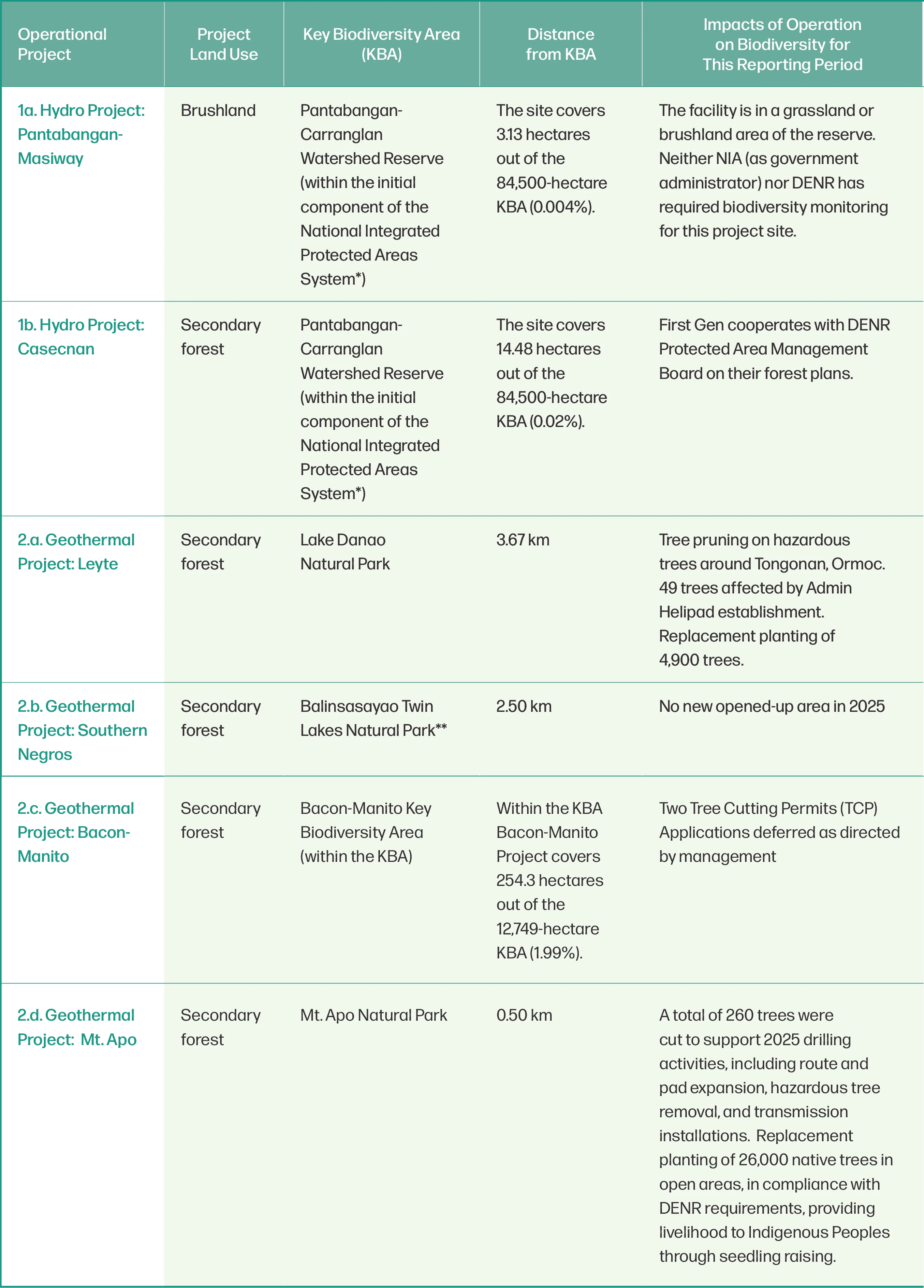
First Gen operates sites within or near areas of high and rich biodiversity value, and these sites have undergone thorough technical and environmental impact assessments. All projects located within three kilometers of protected areas or proclaimed Ramsar Sites (protected wetlands)¹ also adhere to air and water quality standards, as well as DENR environmental permit conditions. Power plants within or adjacent to Key Biodiversity Areas (KBAs) are identified below.
TABLE 6: POWER PROJECTS WITHIN OR ADJACENT TO KEY BIODIVERSITY AREAS AND IMPACTS TO OPERATION
1 Department of Environment and Natural Resources (DENR), Amending Provisions of DMO 2023-01: Additional Guidelines for Projects Applying for an Environmental Compliance Certificate (ECC) Within or in Close Proximity to Protected Areas and RAMSAR Sites, DENR Memorandum Order No. 2023-04 (2023), https://eia.emb.gov.ph/wp-content/uploads/2023/12/DMO-2023-04.pdf.
2 Department of Environment and Natural Resources, Conservation International, and Haribon Foundation, Priority Sites for Conservation in the Philippines: Key Biodiversity Areas (2006), https://philchm.ph/wp-content/uploads/2019/02/KBA_Booklet.pdf.
* Initial component under Section 5, Republic Act No. 7586 (National Integrated Protected Areas System Act of 1992), to be reviewed for inclusion by an act of Congress.
** Republic of the Philippines, Expanded National Integrated Protected Areas System Act of 2017, Republic Act No. 11038 (2017), https://web.senate.gov.ph/republic_acts/ra%2011038.pdf.
The primary biodiversity impacts of our power plants are habitat conversion through civil works, and potential air and water quality effects during normal operations. All listed projects within or near KBAs maintained compliance with DENR environmental permits, with zero violations recorded in 2025. To mitigate impacts and improve habitat conditions, First Gen adheres to the watershed management plans of the KBAs in which our sites are located or adjacent to. A multipartite monitoring team—comprising DENR, local government units, and host community representatives—tracks project compliance with environmental permits. Third-party specialists conduct biodiversity monitoring regularly.
The Choice to Protect: BINHI and the Greening Legacy
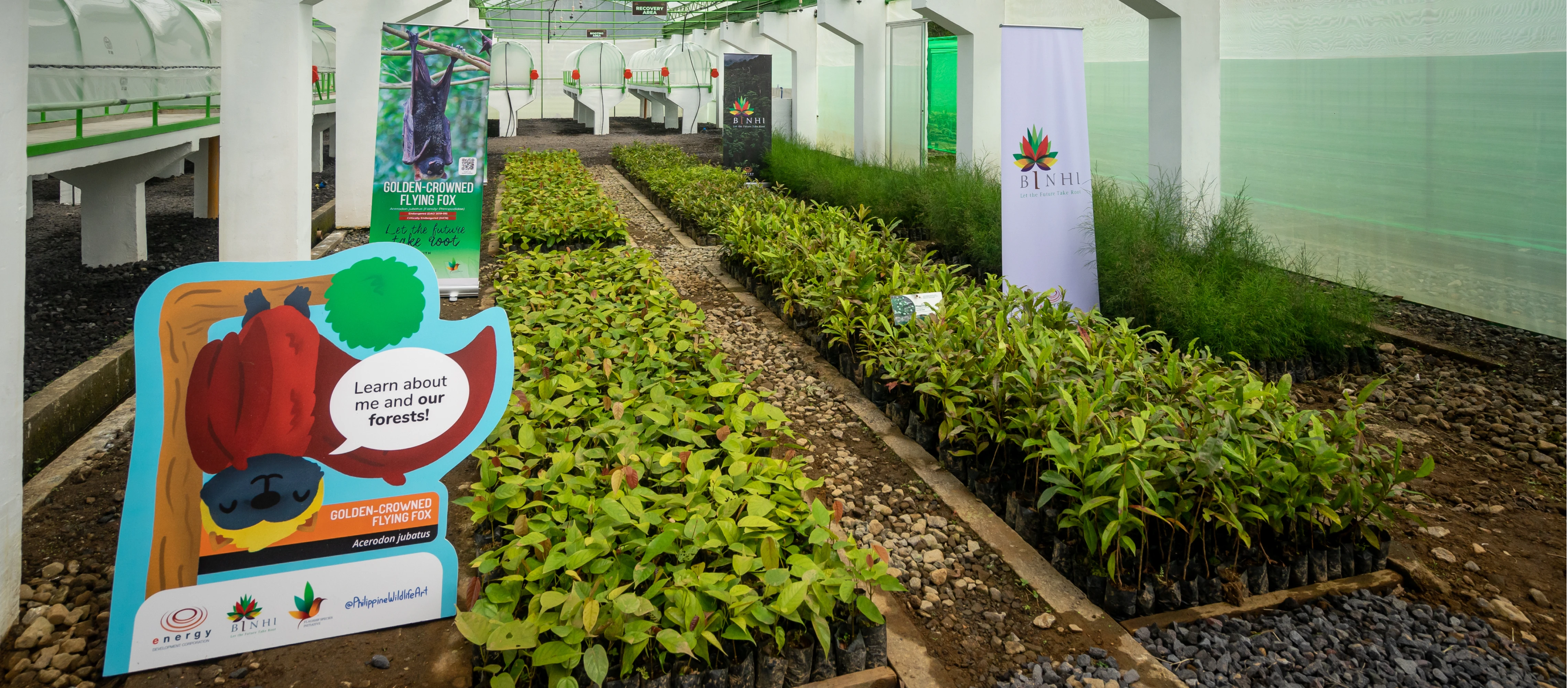
In 2025, EDC reaffirmed its commitment to forest restoration by investing PHP34 million in the BINHI Program, our banner environmental program for biodiversity conservation. Since 2019, we have partnered with 88 forest communities to restore over 10,000 hectares of land nationwide—making BINHI the largest private sector-led reforestation effort in the country.
Our commitment to forest restoration is reflected in the production of 768,720 high-quality seedlings across six state-of-the-art nurseries equipped with automated mist irrigation to replicate natural growing conditions. A validation study across 54 sites confirmed a 99 percent survival rate for planted native trees—a result that speaks to both the rigor of our methodology and the strength of our community partnerships. Our network of safe havens for native species continues to expand, with 51 arboreta and 165 tree parks now established across the Philippines.
Our Approach to Forest Carbon within the Forestland of EDC Geothermal Reservations
EDC stewards 127,608 hectares of watershed forests. As of 2025, these forests sequester approximately 1.8 MTonnes of CO₂ annually—demonstrating our environmental commitment long before formal climate accountability frameworks existed.
These forests were established for watershed protection essential to our geothermal operations while also benefiting the communities within these landscapes. Climate accounting integrity requires that carbon offset claims reflect additional climate action beyond business-as-usual. While dual-purpose projects can meet this standard, climate benefit must have been an intentional purpose from inception—not a retrospective claim. Our forests’ carbon sequestration is a co-benefit.
Our Commitment: Compounding Environmental Stewardship
We continue to protect these forests—a choice made decades ago that delivers multiple benefits today. These include watershed integrity, biodiversity protection, environmental quality for host communities, livelihood opportunities, cultural and spiritual well-being, and 1.8 MTonnes of annual carbon sequestration.
Our decarbonization pathway relies on operational reductions and CCS deployment (see Geothermal Targeted Initiatives). Carbon sequestration from the forests we nurture may serve as an interim measure subject to government guidance on its permissible use within our decarbonization accounting, and only for the period before CCS deployment. Any future forest carbon projects will meet international standards from inception, ensuring new choices deliver credible climate action.
Preserving Habitats: Safeguarding Our Watersheds
First Gen manages 127,608 hectares of forest lands within our geothermal reservations in Bac-Man, Negros, Leyte, and Mt. Apo. In 2025, enhanced vigilance through 5,480 kilometers of patrols—conducted via foot and drone surveillance—led to the detection of 42 threats and the filing of eight legal cases against illegal activities, including timber poaching and charcoal making. Community-based fire brigades and proactive prevention measures resulted in zero forest fire incidents across our operational areas during the 2025 high-risk months. Restoration efforts included the maintenance of 100 hectares in the Bac-Man reservation and the transformation of logged-over land in Leyte into a 15-hectare carbon sink.
The Choice for Heritage: Mainstreaming Philippine Native Trees
Mainstreaming native trees is a commitment to addressing climate change while upholding cultural heritage and building resilient ecosystems. As the Philippines’ sole partner for the Global Tree Assessment (GTA), First Gen completed Red List assessments for 1,665 tree species in 2025—a finding that underscores a stark reality: nearly 70 percent of evaluated species are threatened with extinction.
In 2025, our teams rediscovered 39 of 49 target priority species across Ilocos Norte, Palawan, and Davao, with all confirmed mother trees geo-tagged for future sourcing. Four new propagation protocols were developed, including the first-ever scientific protocol for the rare Malinoag. Through the BINHI CommuniTree platform, over 1,700 participants have collectively planted 5,662 native trees—each one a contribution toward a decarbonized and regenerative future.

The Choice for Science-Based Stewardship and Monitoring: Biodiversity and Protected Species
First Gen recognizes that biodiversity conservation is both an environmental obligation and a strategic priority for the long-term viability of the ecosystems that support our operating assets. Because our project sites serve as vital habitats for diverse wildlife, our continued commitment to preservation demonstrates a fundamental belief: that through the power of good choices, we can maintain a balanced relationship between clean energy production and the natural environment.
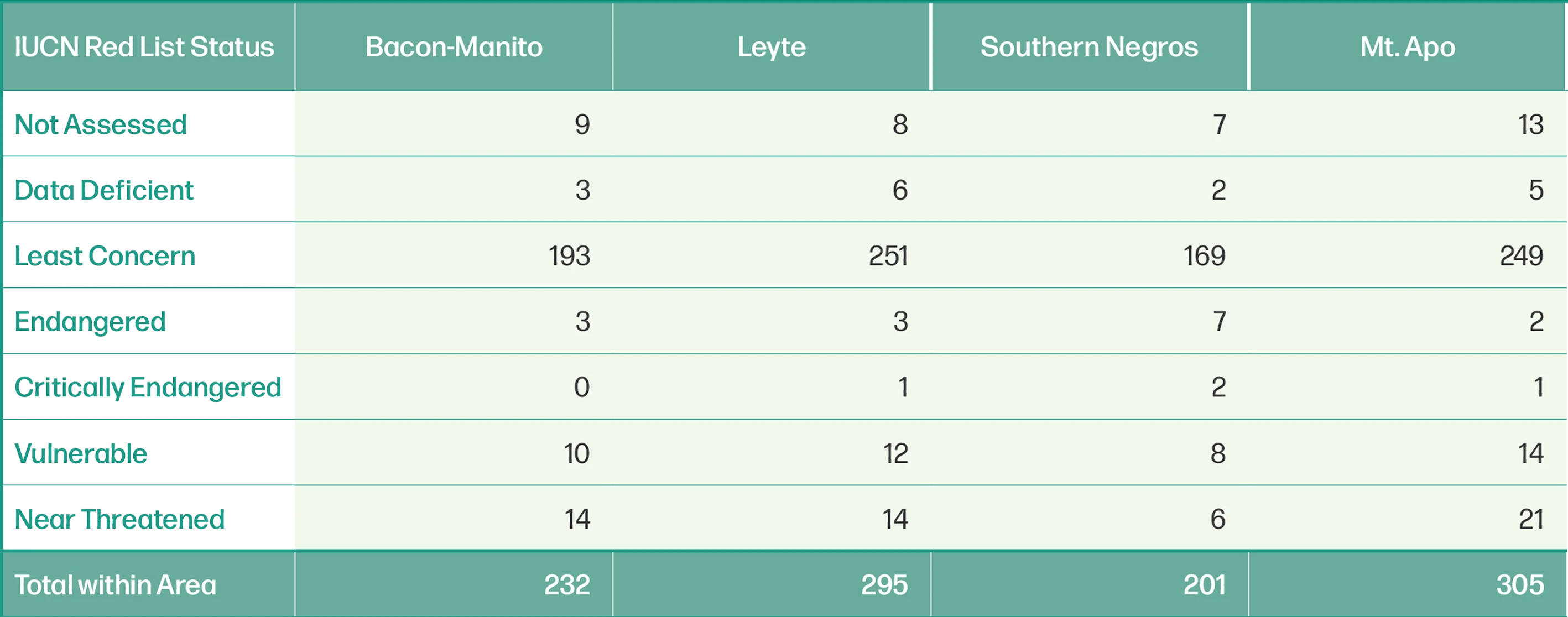
First Gen monitors and documents a wide range of faunal species using the International Union for Conservation of Nature Red List of Threatened Species, also known as the IUCN Red List or Red Data Book, covering birds, fish, reptiles, amphibians, and mammals. In 2025, First Gen–EDC documented at least 587 unique species of fauna across project sites, with 330 (56 percent) endemic to the Philippines. The table below shows the breakdown by site.
TABLE 7: IUCN RED LIST
Choosing Innovation: Bioindicators and Ecosystem Health
Since 2008, our Biodiversity Conservation and Monitoring Program (BCMP)—developed in partnership with the University of the Philippines Institute of Biology (UP-IB)—has transformed our sites into living laboratories for ecological research. In 2025, field validation surveys marked the transition from data collection to the development of structured biodiversity metrics.
By using faunal and floral communities as bioindicators, we are building a scoring system that calculates an index of ecosystem health across freshwater and terrestrial forest environments. Our goal is to advance this system as a national standard for ecosystem health monitoring across similar industries in the Philippines.
Summary of Our Natural Capital Performance, Impacts, and Plans