
In complex systems such as energy, progress rarely arrives through a single breakthrough. More often, it emerges through the steady accumulation of disciplined choices made over years, sometimes decades.
This feeds into the broader dynamic—and institutional discipline—we describe as the compounding of good choices.
In complex systems such as energy, progress rarely arrives through a single breakthrough. More often, it emerges through the steady accumulation of disciplined choices made over years, sometimes decades.
This feeds into the broader dynamic—and institutional discipline—we describe as the compounding of good choices.
Good Choices: Compounding Value of Knowledge
Dear valued stakeholders,
In 2025, First Gen made one of the most consequential decisions in its history.
It was not a decision taken lightly. For more than two decades, natural gas stood at the center of the Company’s growth—strengthening the country’s energy security, providing reliable power to the grid, and creating the financial foundation that allowed us to invest early and consistently in renewable energy.
Through natural gas, First Gen built scale, operational capability, and financial resilience. These foundations enabled us to expand geothermal development, invest in hydropower, and explore emerging renewable technologies long before the global energy transition gathered the momentum we see today.
In 2025, we chose to reshape that foundation. Through the sale of a 60-percent stake in our natural gas business, First Gen took a decisive step toward a future in which renewable energy defines the core of our portfolio. Following this transition, our asset base now stands at approximately 92 percent renewable energy and eight percent natural gas—equivalent to about PHP351 billion and PHP31 billion in renewable energy and natural gas assets, respectively. This provides greater clarity about the role we intend to play in the Philippine energy system.
But the significance of this decision extends well beyond portfolio composition. Investor Warren Buffett once observed that knowledge compounds much like capital: “That’s how knowledge works. It builds up, like compound interest.” In renewable energy systems, this compounding becomes visible in the accumulated understanding of how natural resources, infrastructure, and grid dynamics interact—knowledge that strengthens an institution’s ability to design and operate resilient energy systems across decades, particularly within the structural realities of the Philippine power system.
At First Gen, we describe this as the compounding value of knowledge—the idea that every project developed, every well drilled, and every plant operated deepens the institutional understanding required to make better decisions over time.
In complex systems such as energy, progress rarely arrives through a single breakthrough. More often, it emerges through the steady accumulation of disciplined choices made over years, sometimes decades.
These developments also need to be viewed in the context of a broader issue—one that directly affects consumers and the economy.
The compounding of knowledge becomes most visible in the long-term development of our renewable energy platforms, particularly in geothermal, where decades of resource management, drilling, and plant operations have built capabilities that cannot be replicated quickly.
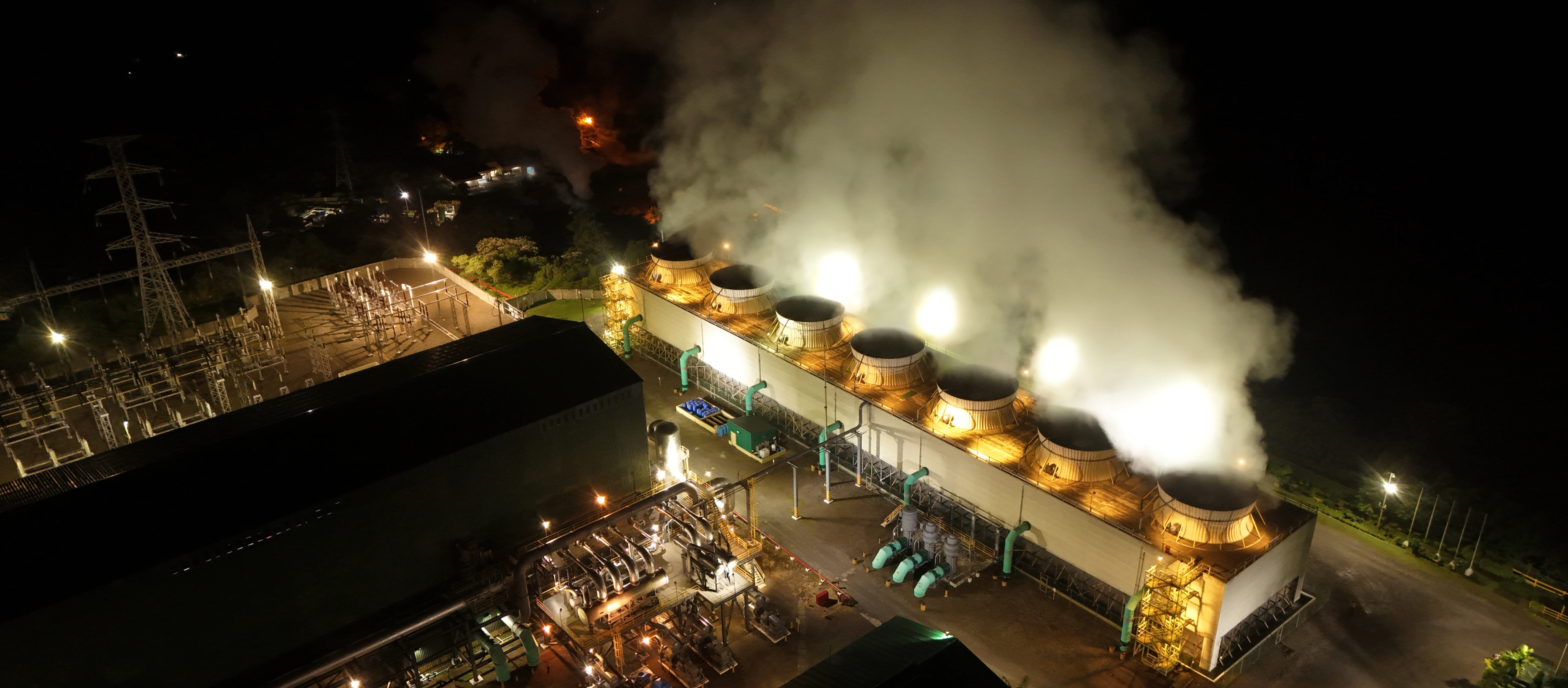
GEOTHERMAL: Foundation and Stewardship of a Strategic Resource
Geothermal remains the foundation of First Gen’s renewable energy platform and a critical source of reliable, indigenous baseload power for the Philippines. Through subsidiary EDC, the Company began geothermal commercial operations in 1983 and today operates one of the most extensive and technically sophisticated geothermal systems in the world. This geothermal platform, together with other hydro, wind, and solar assets, collectively make First Gen the largest renewable energy producer in the Philippines, reflecting over four decades of investment in indigenous renewable resources and long-term energy security.
This leadership is built not only on scale, but on deeply accumulated capability. Across its geothermal fields in Leyte, Negros, Albay, Sorsogon, Cotabato, and Davao del Sur, First Gen has developed integrated expertise spanning geological assessment, drilling, reservoir management, steam field operations, and power generation. These capabilities are inherently cumulative, strengthening over time through sustained investment, operational discipline, and continuous learning in managing complex and evolving geothermal systems.
In 2025, First Gen further strengthened its geothermal platform across three key dimensions: capacity expansion, system flexibility, and resource development. Three geothermal expansion projects reached commercial operations—the Palayan Bayan Binary Plant (35.7MW), the Tanawon Geothermal Project (21.6MW), and the Mahanagdong Binary Plant (31.3MW)—adding a combined 88.6MW of renewable capacity to the grid. To enhance operational flexibility and support the integration of variable renewable energy, the Company also commissioned three Battery Energy Storage Systems across its geothermal portfolio, providing 40MWh of storage capacity. At the same time, exploration drilling activities progressed in Amacan in Mindanao, preserving future development options in a region with significant untapped geothermal potential.
A central component of this long-term strategy is the One Leyte initiative, a comprehensive redevelopment and optimization program for the Leyte geothermal complex—the largest geothermal system in First Gen’s portfolio and one of the most critical sources of renewable baseload power for the Philippine grid. Drawing on decades of geothermal exploration, development, and operational experience across multiple sites, the initiative is designed to restore, sustain, and increase the long-term productivity of the Leyte resource through smarter drilling and field management, targeted infrastructure upgrades, and new builds across the complex. By more closely integrating reservoir management, steam delivery systems, and plant operations, the program likewise aims to improve reliability and efficiency while enabling the complex to adapt to naturally evolving reservoir conditions and market requirements. This reflects the essential reality of geothermal energy: sustaining output over time requires active stewardship of the resource, supported by continuous technical and capital investment.
First Gen’s geothermal expertise is also beginning to extend beyond the Philippines. Through a 440-MW joint venture with the Sinar Mas Group in Indonesia, the Company is applying decades of operational experience to one of the world’s most promising geothermal markets. This expansion reflects the transferability of EDC’s technical capabilities and positions First Gen to contribute to regional geothermal development while building a broader, diversified platform.
Sustaining this capability requires long-term commitment and significant capital investment. As of December 2025, First Gen has invested approximately PHP200 billion in geothermal development across the Philippines, primarily in exploration drilling, field expansion, and the construction of new power plants. In 2025 alone, investments totaled PHP25 billion, underscoring the capital intensity of maintaining geothermal reservoirs and the ongoing reinvestment required to preserve their productivity and reliability. Investment activity is expected to remain significant in 2026 as the Company advances both domestic initiatives—including the redevelopment of the Leyte geothermal complex and its international expansion in Indonesia.
In 2026, EDC marks 50 years of geothermal leadership—five decades of scientific exploration, engineering innovation, and responsible resource stewardship. This milestone reflects not only what has been built over time, but also the path forward: the continued renewal, expansion, and active management of a strategic resource that remains central to First Gen’s long-term renewable energy strategy.
Southeast Asia’s energy transition will increasingly depend on the development of indigenous geothermal resources.
HYDROPOWER: Flexibility for a Renewable Grid
While geothermal anchors baseload supply, hydropower provides the flexibility required to balance an increasingly renewable grid. Today, First Gen’s four hydropower assets have a combined capacity of approximately 299.4MW.
These facilities–including the Pantabangan-Masiway complex and the Casecnan hydroelectric facility—play a vital role in supporting system reliability while also contributing to irrigation systems, flood control, and downstream agricultural productivity. They illustrate how well-designed energy infrastructure can serve multiple national priorities at once.
In 2025, favorable La Niña conditions drove hydroelectric generation across the portfolio to 1,074.8GWh, more than double the output recorded in 2024. During the year, the Pantabangan-Masiway complex was fully restored to its 120-MW rated capacity, reinforcing its role as a critical balancing asset for the Luzon grid.
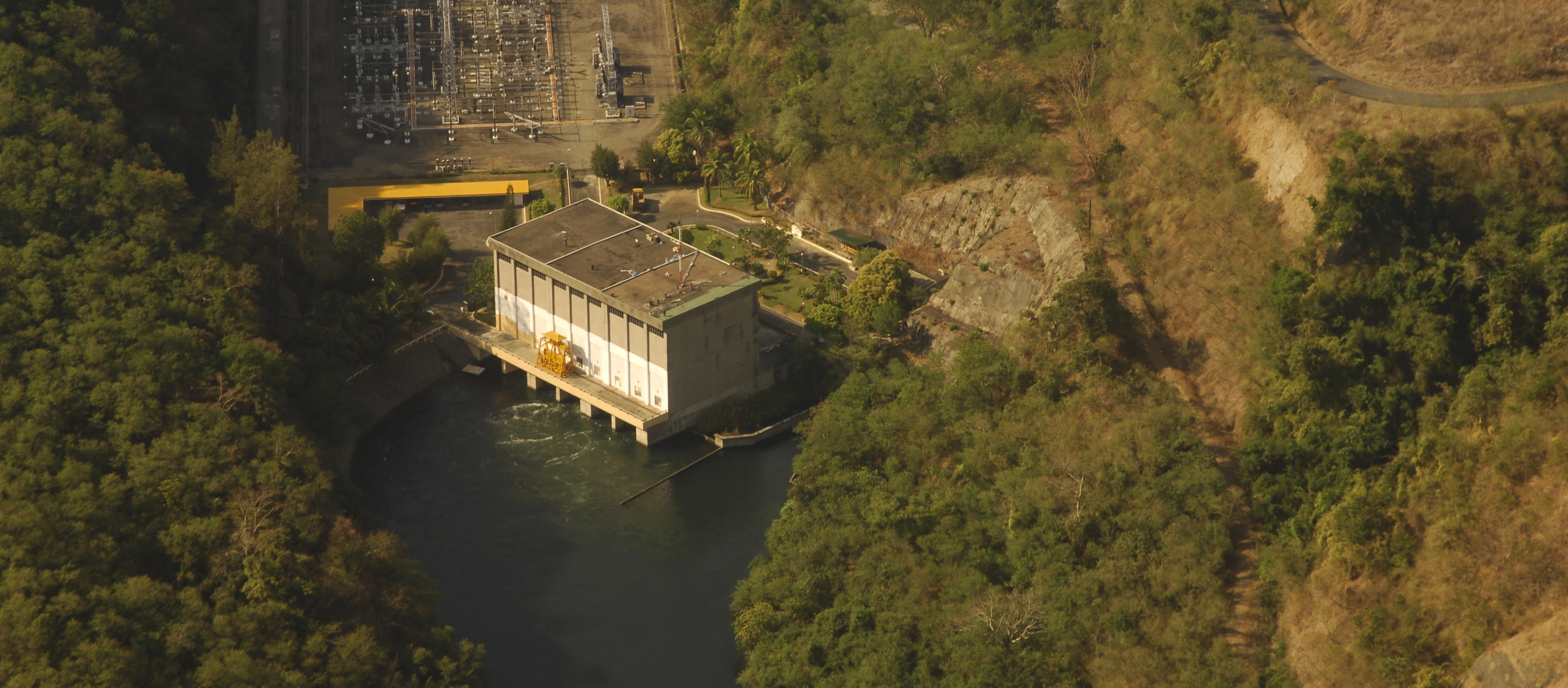
Hydropower is also entering a new phase of strategic importance. As intermittent renewable capacity grows, the ability to store energy and release it when demand rises becomes increasingly critical.
Recognizing this, First Gen strengthened its partnership with Prime Infrastructure to advance the development of pumped storage hydropower, including the Wawa and Pakil projects. The Company’s share in these developments is estimated at approximately PHP62 billion, representing approximately 2,000MW of capacity, with 634MW attributable to First Gen once operational. These facilities will provide long-duration storage capability to support the expansion of solar and wind across the country.
Complementing these initiatives, the Company also advanced preparatory work on additional storage projects, including the Aya Pumped-Storage Hydropower Project, which will further enhance the flexibility of the renewable grid.
The partnership with Prime Infrastructure reflects another dimension of compounding choices: trust built through years of collaboration enabling projects that neither organization could pursue alone. These investments also draw on decades of operational knowledge in managing water systems, reservoir dynamics, and grid integration—capabilities that become increasingly important as renewable penetration deepens across the power system.
The partnership with Prime Infrastructure reflects another dimension of compounding choices: trust built through years of collaboration enabling projects that neither organization could pursue alone. These investments also draw on decades of operational knowledge in managing water systems, reservoir dynamics, and grid integration—capabilities that become increasingly important as renewable penetration deepens across the power system.”
WIND AND SOLAR: Expanding the Renewable Frontier
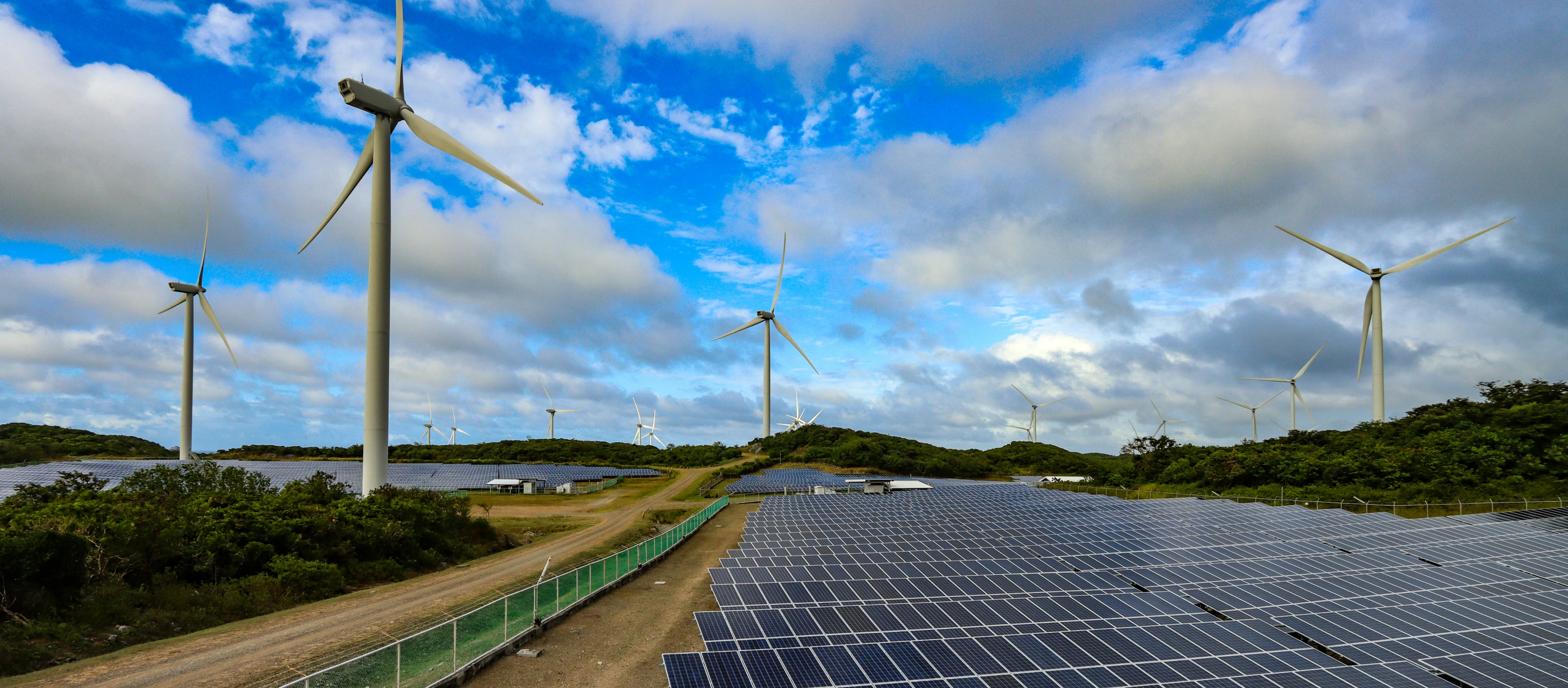
Wind and solar technologies continue to expand the Philippines’ renewable frontier, combining for 162MW of capacity within First Gen’s portfolio.
First Gen’s wind platform remains anchored by the Burgos Wind Farm in Ilocos Norte, one of the largest operating wind facilities in the country. Over time, Burgos has demonstrated how wind power can provide meaningful clean energy capacity when integrated carefully within the broader power system.
Each resource contributes a distinct capability to the broader energy system: solar and wind provide scale, hydropower provides flexibility, and geothermal provides stability. Together, they form the foundation of a resilient renewable energy portfolio.”
In 2025, Burgos Wind generated 276.7GWh, despite several extreme weather events affecting 18 of the facility’s 50 turbines. Of these 18 turbines, 15 have since undergone full repair and restoration, with the remaining three turbines to be fully operational in September 2026.
Restoring the full fleet is a clear operational priority. The Company is working closely with Vestas, the original equipment manufacturer, to implement targeted repair and optimization measures aimed at returning all turbines to service and maximizing plant output.
Solar development is also gaining momentum. In 2025, the Company moved forward with Project Inara in Batangas, a 54-MW Agri-PV solar development designed to allow agricultural activity to continue beneath elevated solar panels while generating clean electricity for surrounding industries and communities.
By combining solar generation with agricultural productivity, the project demonstrates how renewable energy infrastructure can coexist with existing land uses while supporting regional economic development.
Across the pipeline, additional wind and solar opportunities continue progressing through feasibility, permitting, and grid integration stages. Rather than pursuing expansion in isolation, First Gen’s strategy emphasizes disciplined sequencing—integrating solar and wind with geothermal baseload capacity, hydropower flexibility, and emerging storage technologies to maintain system stability as renewable capacity grows.
Each resource contributes a distinct capability to the broader energy system: solar and wind provide scale, hydropower provides flexibility, and geothermal provides stability. Together, they form the foundation of a resilient renewable energy portfolio.
NATURAL GAS: Enabling the Transition
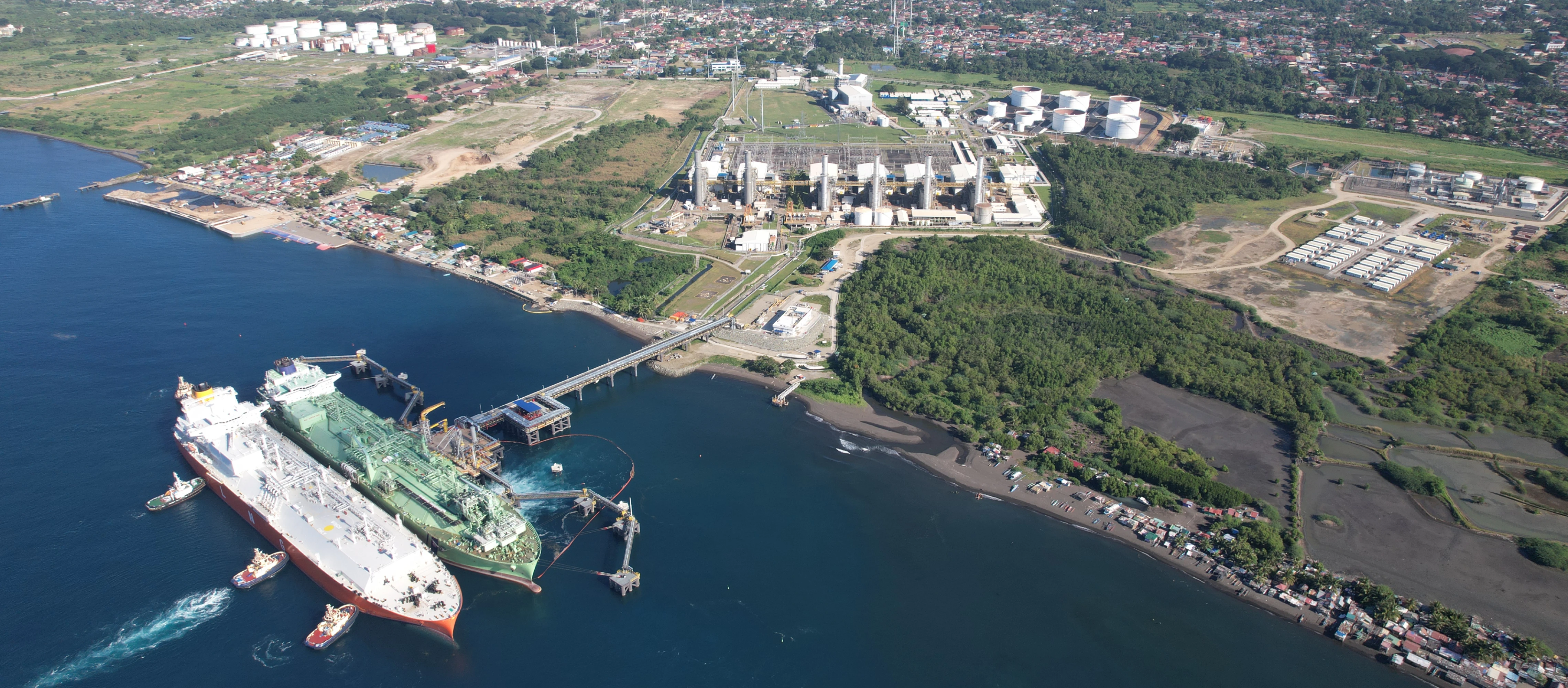
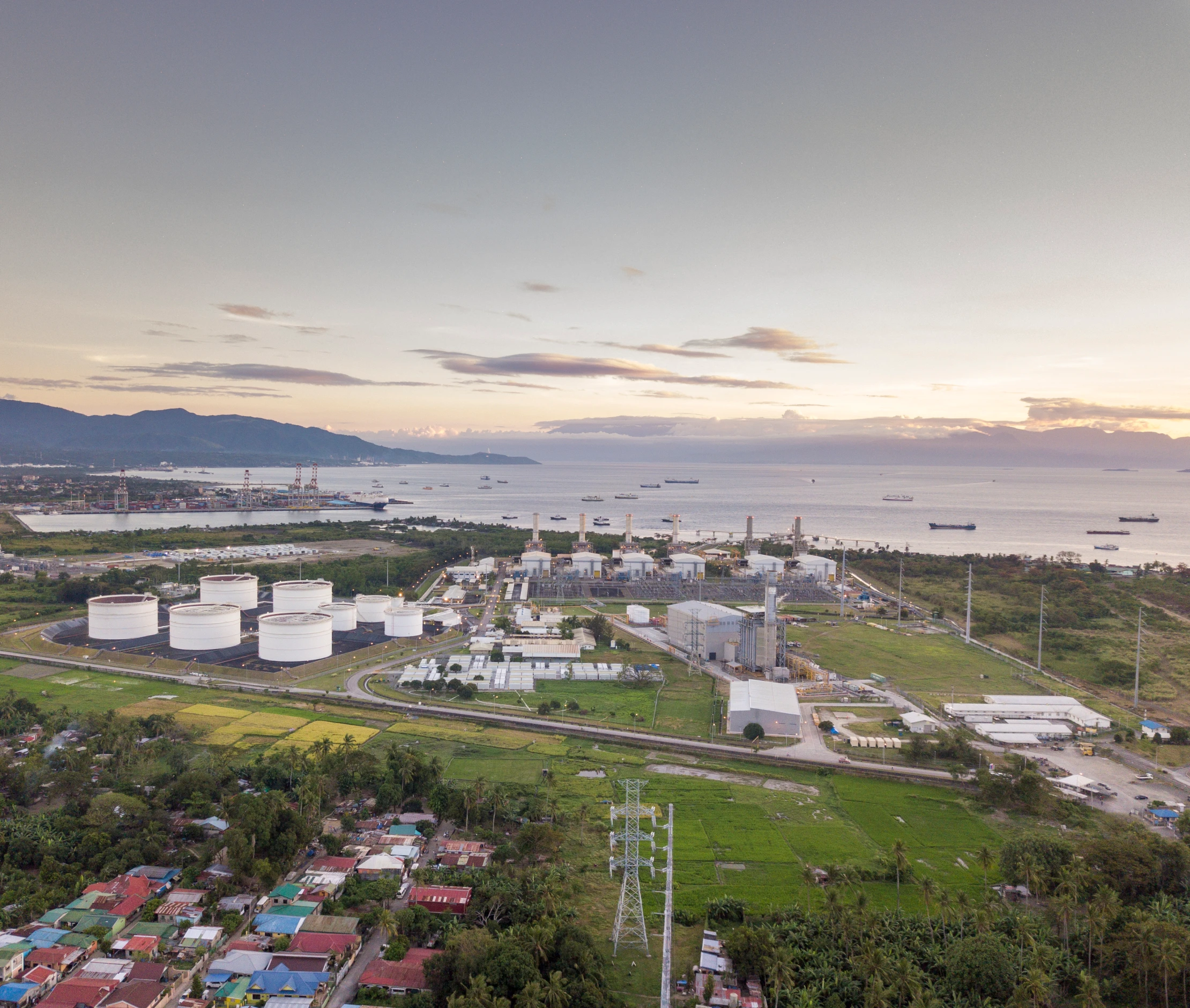
Natural gas remains an important component of the Philippine power system even as the country accelerates its transition toward cleaner energy. For more than two decades, it provided the flexible generation that helped stabilize the grid and support economic growth.
Following the portfolio transition in 2025, natural gas now occupies a different role within First Gen’s strategy. While the Company no longer exercises operational control over its gas assets, it continues to participate in this segment through its retained interest and strategic partnership with Prime Infrastructure.
Through this partnership, opportunities such as the Sta. Maria natural gas project continue to be evaluated within the context of the country’s evolving energy mix. Facilities of this kind help complement intermittent renewable resources and preserve grid stability as the energy transition advances.
Rather than defining the center of our portfolio, natural gas now functions as a transition enabler—providing dispatchable capacity that supports system reliability while renewable resources increasingly anchor the Company’s long-term direction.
Financial Highlights
In November 2025, First Gen sold a 60-percent equity stake in its natural gas business to Prime Infrastructure Capital, Inc. (Prime Infra), for PHP50 billion, subject to adjustments and potential earnout payments. Following this transaction, First Gen no longer consolidates the Santa Rita, San Lorenzo, San Gabriel, and Avion natural gas power plants, the proposed Santa Maria power plant, and the Interim Offshore LNG Terminal.
Excluding revenues from the natural gas business following the transaction, First Gen recorded USD906 million in revenues in 2025, a six percent increase from USD857 million in 2024. The increase was driven primarily by higher electricity sales from the hydro platform, supported by favorable hydrological conditions, as well as additional revenues from Pi Energy, which First Gen acquired in May 2025. Revenues from EDC also rose slightly due to higher electricity sales, partially offset by lower spot market prices.
Recurring net income reached USD264 million, eight percent higher than USD245 million in 2024. The improvement was largely driven by stronger hydro earnings, due to more planting cycles resulting from higher water levels, resulting in higher generation and lower replacement power costs. These gains were partly offset by higher interest expenses at the hydro facilities and increased operating and financing costs within EDC as drilling and geothermal maintenance programs accelerated.
CUSTOMERS: The Demand for Trusted Energy Partners
The energy transition is unfolding not only within power plants, but in the decisions businesses make across the economy.
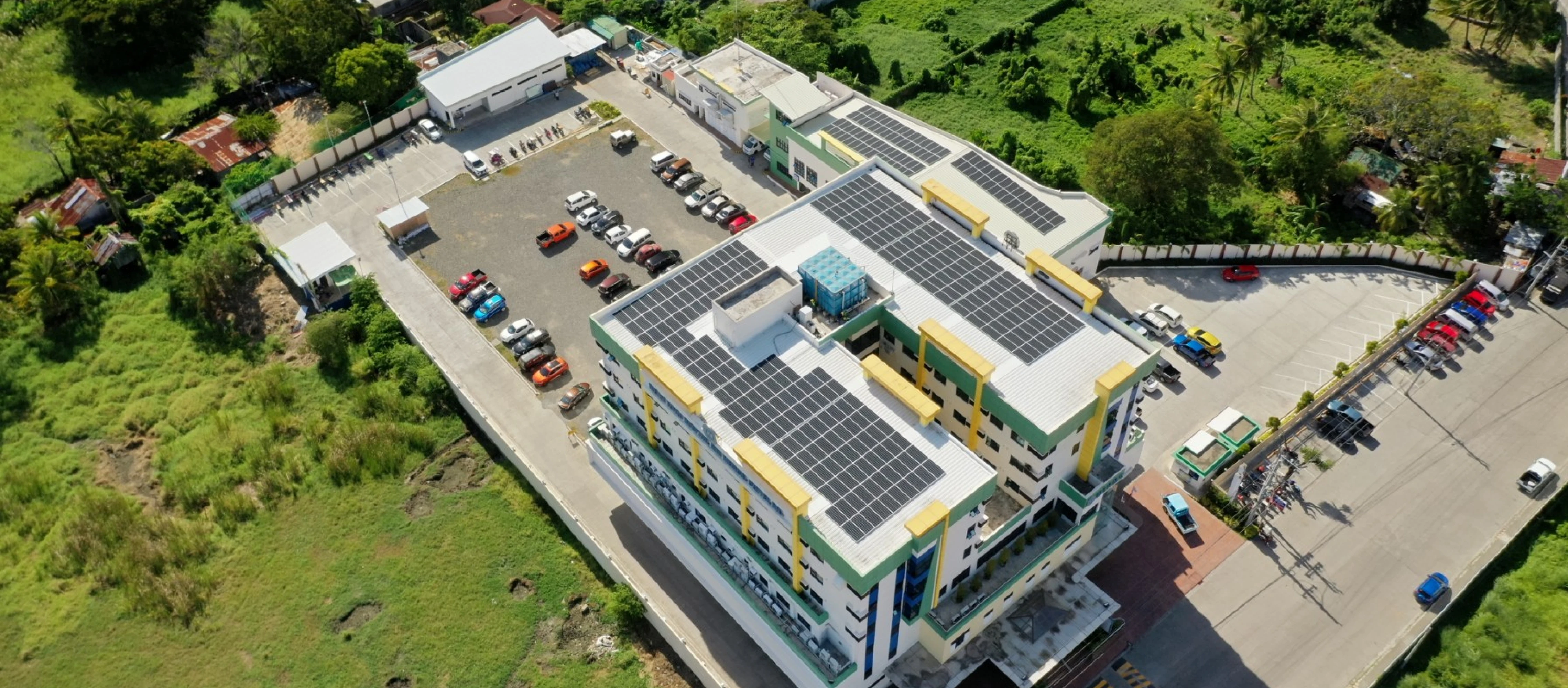
More organizations today are seeking not simply electricity supply, but long-term energy partners capable of supporting their decarbonization goals while maintaining operational reliability and competitiveness. In response, First Gen strengthened its commercial platform in 2025. The establishment of a Revenue Office and the expansion of the Customer Engagement Group reflect a deliberate effort to bring the Company closer to customers and better understand their evolving energy needs.
Pi Energy was fully integrated into First Gen, expanding the Company’s end-to-end capabilities by adding energy solutions to its portfolio. During the year, Pi Energy energized more than 25MW of rooftop solar installations across 26 commercial and industrial sites, deployed Remote Energy Monitoring Systems across 89 metering points, and conducted energy audits for major industrial facilities seeking to improve efficiency and reduce emissions.
At the same time, First Gen began bringing its renewable platforms together more clearly under a unified brand, allowing geothermal, hydro, wind, solar, and energy solutions capabilities to operate with greater clarity as part of a single customer-facing energy platform. Through these capabilities, the Company increasingly works alongside customers in designing energy strategies that align operational needs with sustainability goals.
...the energy transition becomes a shared endeavor between producers and customers—one where trust, technical capability, and long-term partnership matter as much as generation capacity.
Partnerships with organizations such as Unilever, the Lucio Tan Group, Knowles Electronics, and, more recently, the Robinsons Group reflect this approach. When companies make what we often describe as “The Good Switch”— choosing renewable energy sourced from indigenous resources, such as geothermal—it demonstrates that the transition to cleaner power is both practical and commercially viable for large organizations.
The continued expansion of Retail Competition and Open Access (RCOA) will further accelerate this shift. With the launch of Phase 4 in 2026, supplier choice will extend to more than 12,000 medium-sized enterprises, significantly broadening the number of businesses that can directly choose their electricity provider. This market development will allow First Gen to support a much wider base of customers seeking reliable and lower-carbon energy solutions.
In this way, the energy transition becomes a shared endeavor between producers and customers—one where trust, technical capability, and long-term partnership matter as much as generation capacity. As more organizations choose renewable energy, those decisions reinforce one another, strengthening demand for new renewable investment and expanding the options available to future customers.
COMMUNITIES AND STEWARDSHIP
For First Gen, the energy transition ultimately extends beyond infrastructure and markets.
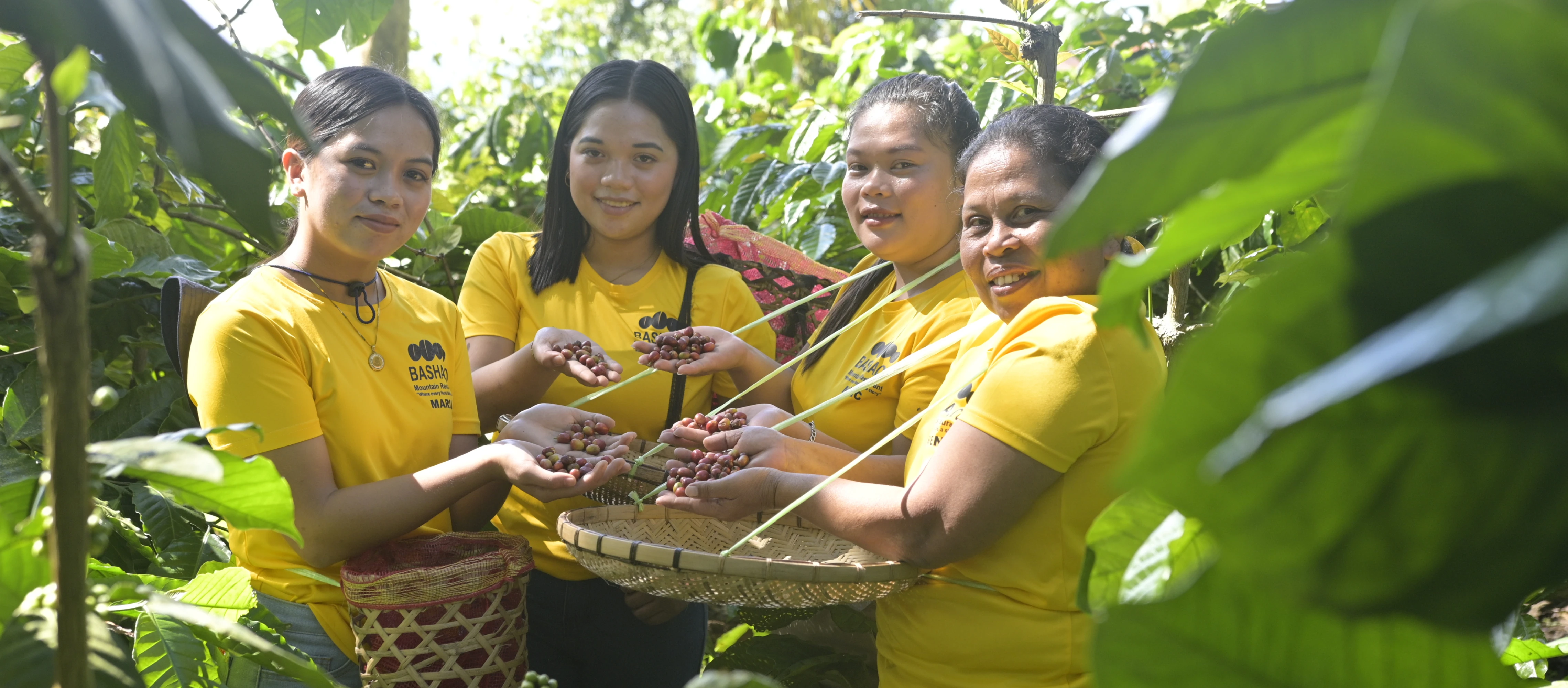
It is also about communities. The geothermal fields, hydropower reservoirs, and renewable facilities that form the backbone of the Company’s operations are deeply connected to the landscapes and communities that host them.
Over time, these communities become partners in building a more resilient energy future—contributing to the stewardship of natural resources while sharing in the economic opportunities that renewable development brings.
Over time, these communities become partners in building a more resilient energy future—contributing to the stewardship of natural resources while sharing in the economic opportunities that renewable development brings.
In many cases, host communities become net producers of clean energy beyond their requirements, generating employment opportunities, local revenues, and economic activity that can endure across generations.
Environmental stewardship remains central to this relationship. Programs such as BINHI, watershed restoration initiatives in Buhisan, and marine protection efforts in areas including the Bantayan Strait reflect our commitment to protecting the ecosystems that sustain both communities and renewable energy resources.
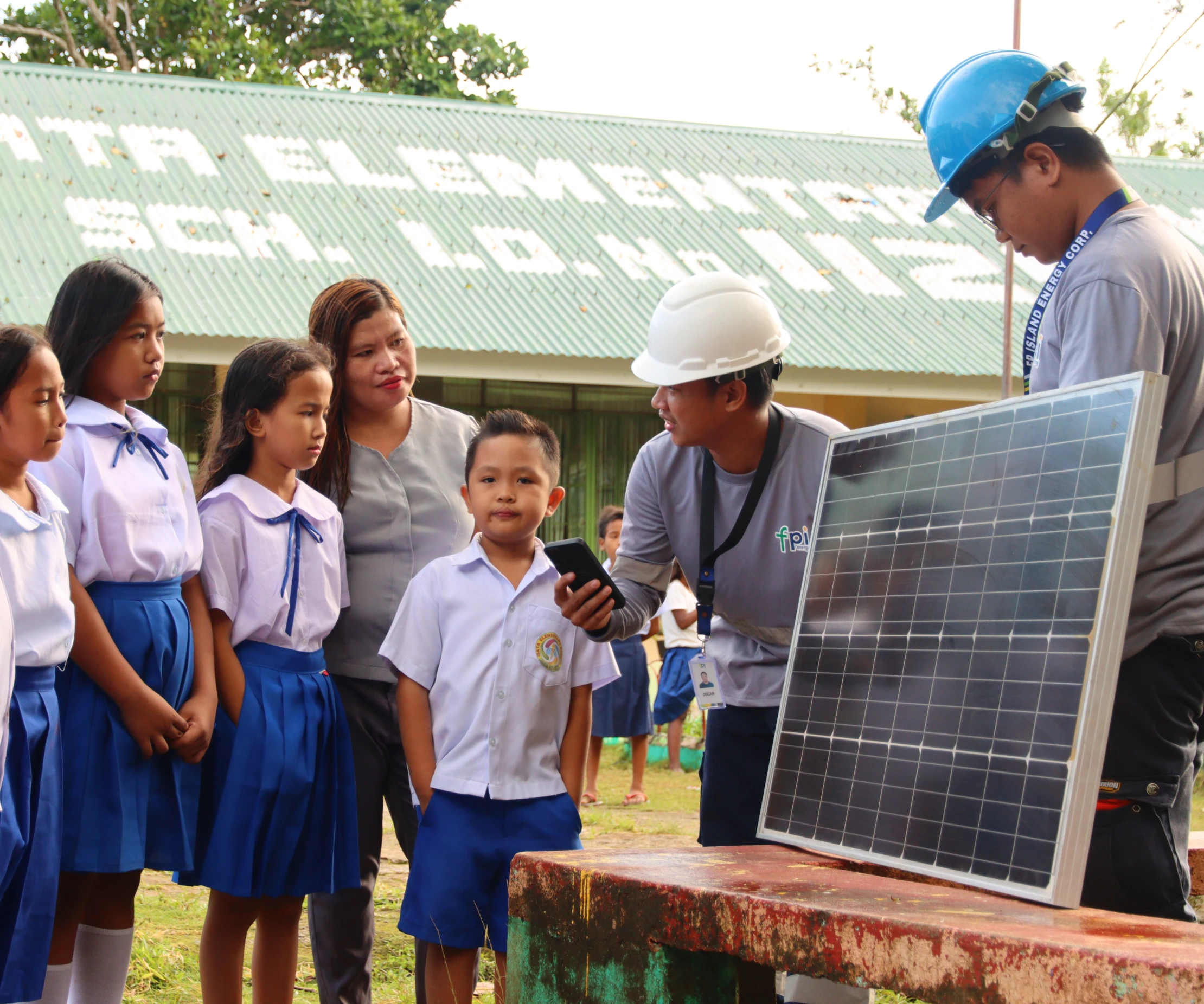
At the same time, investments in island microgrids are helping strengthen energy resilience in areas that have historically faced limited or unstable electricity access. By improving reliability and enabling faster recovery following extreme weather events, these initiatives demonstrate how renewable energy infrastructure can contribute not only to decarbonization but also to community resilience.
Over time, these communities become important partners not only in stewardship, but in sustaining the local knowledge, environmental care, and shared responsibility required to protect renewable resources across generations.
BUILDING THE SYSTEM FORWARD
The energy transition is often described as a technological transformation. In reality, it is a systemic one. No single resource can stand alone. Solar provides scale but remains intermittent. Wind contributes clean energy but varies with weather conditions. Hydropower provides flexibility but depends on hydrological cycles. Geothermal delivers stable baseload power but is geographically constrained. Natural gas continues to provide dispatchable capacity during the transition.
A resilient power system therefore depends on integration. For the Philippines, this means combining indigenous renewable resources—particularly geothermal and hydropower—with storage technologies and transitional flexible capacity so that reliability, affordability, and sustainability advance together. In a world shaped by geopolitical tensions, supply disruptions, and volatile fuel prices, indigenous energy sources also strengthen national energy security while reducing exposure to imported fuels.
The transition will not be defined by a single moment of change. It will unfold through the steady accumulation of operational knowledge—how resources behave, how systems interact, and how energy infrastructure performs over time. Knowledge compounds. Each project developed deepens the institutional understanding required to manage increasingly complex energy systems.
The choices we made in 2025 strengthened this foundation, sharpening our portfolio, deepening our capabilities, and clarifying the direction for what comes next.
In 2026, our focus turns to execution. We will continue advancing renewable development across geothermal, hydro, wind, and solar resources while strengthening the storage and grid-balancing capabilities required for a more renewable-intensive power system. We will also finalize the strategic path forward for the Leyte geothermal complex, ensuring that this mission-critical resource continues to support grid stability for decades to come.
At the same time, major developments in the electricity market, including the continued expansion of Retail Competition and Open Access, will broaden the number of organizations able to participate directly in the energy transition. With our strengthened commercial platform, integrated renewable portfolio, and expanding energy solutions capabilities, First Gen is well positioned to support this growing base of customers seeking reliable and lower-carbon energy solutions.
As these efforts move forward, the direction for First Gen remains clear: to continue building the system forward through the discipline that has guided the Company for decades—the compounding value of knowledge and the compounding power of good choices.