

HUMAN CAPITAL: AT A GLANCE
A Leaner, More Intentional Workforce.
First Gen closed 2025 with 2,335 employees, shaped by deliberate reorganizations designed to sharpen focus, streamline roles, and position the Company for its next phase of growth
Internal Mobility Surged.
19 percent of new hires came from within—up from just 3 percent the year prior—as the Company prioritized growing talent over external recruitment
Culture Fully Embedded.
95 percent of Power Group teams completed B.E.S.T. culture camps, anchoring a shared set of behaviors across every level of the organization
A Sharper Approach to Learning.
Employees logged an average of 33 learning hours in 2025—a 14 percent increase—as First Gen shifted from broad-based training to a more targeted, high-impact model
A Landmark Year for Safety.
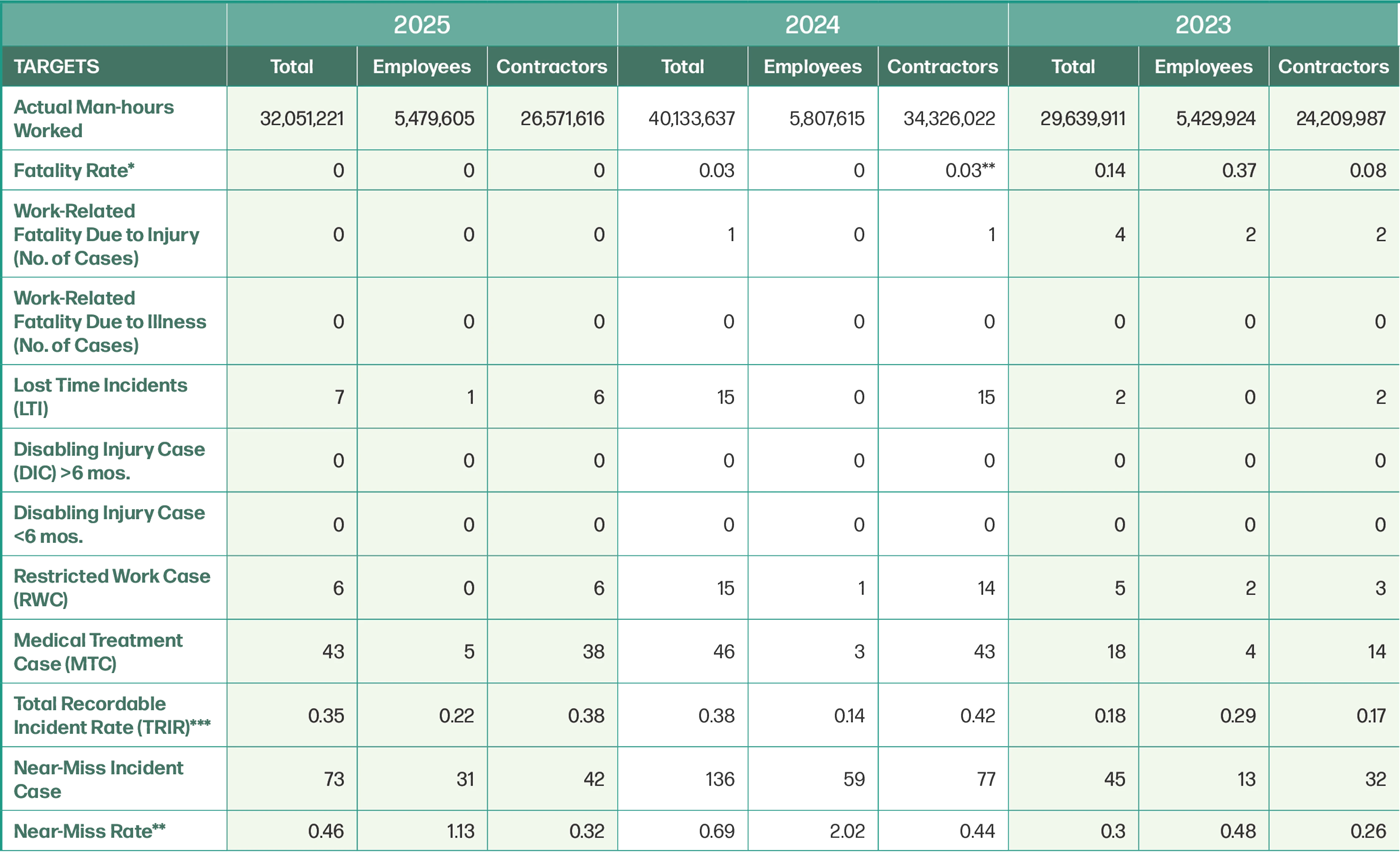
For the first time, First Gen recorded zero work-related fatalities, with Lost Time Incidents cut nearly in half, from 15 to seven
A Workforce Built for What’s Next.
Human capital was strengthened through targeted capability-building, cultural embedding, and inclusive people practices that advance First Gen’s long-term sustainability commitments
Human Capital as Organizational Engine
At First Gen, our people are the foundation on which we build on capabilities, the engine that enables us to execute at scale and pace with the energy transition. In 2025, the HR Group pursued three interconnected mandates: attracting and developing the talent required to deliver today’s results and build tomorrow’s capabilities; strengthening the culture and work environment where people can perform at their best; and managing the change that an organization in active transformation must navigate continuously.
Key Elements of Human Capital
Together, these dimensions reflect how First Gen is building the organizational capacity to deliver on its long-term commitments—developing people who are skilled, engaged, and safe in their work.
Workforce Demographics
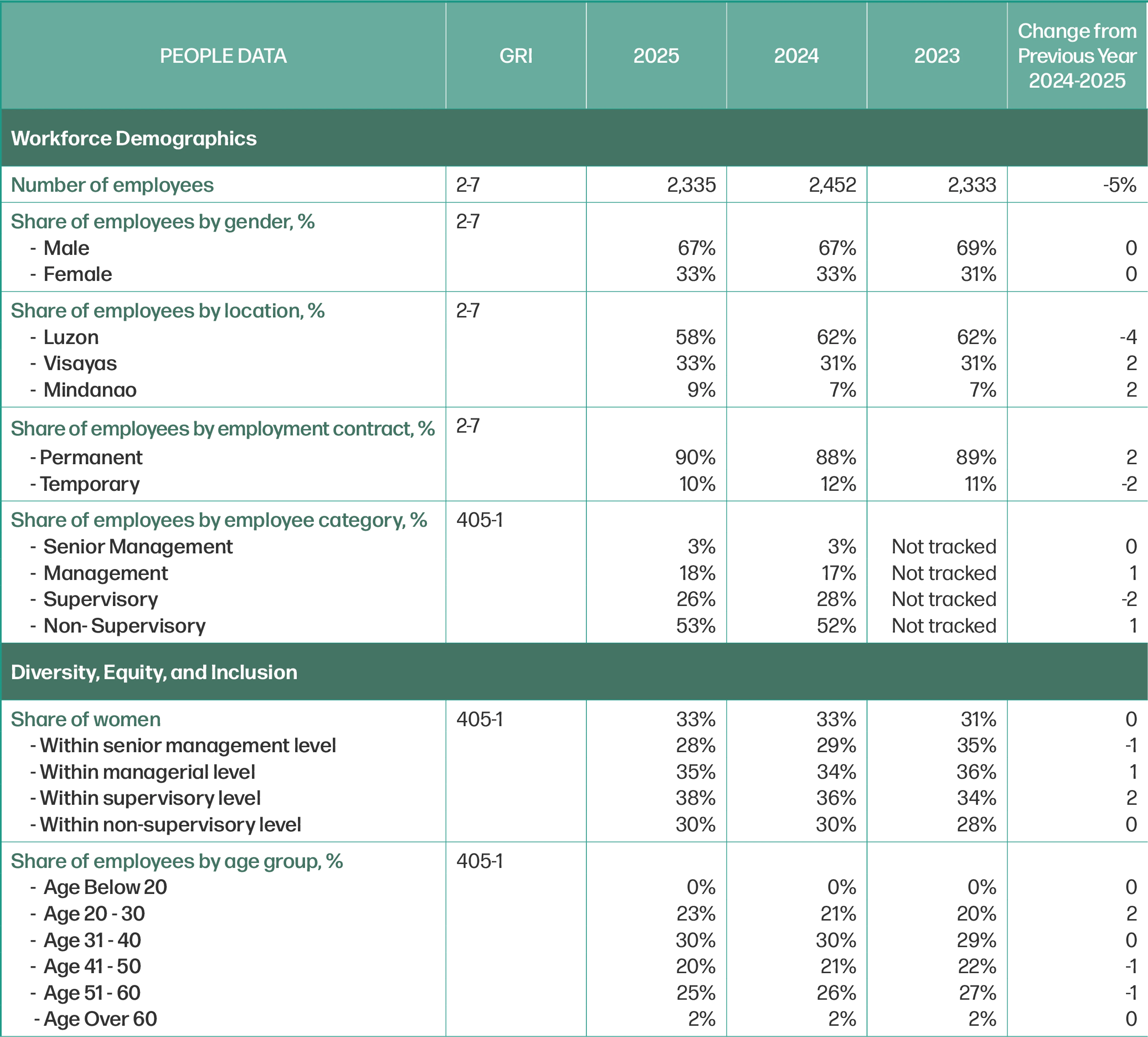
While First Gen maintains a predominantly male workforce, the share of female employees has held steady at 33 percent in 2025, similar to industry norms. Gains were recorded at the supervisory level, where women now comprise 38 percent—up from 34 percent in 2023. While Luzon remains the primary location of the workforce, First Gen saw a 2 percent increase each in Visayas and Mindanao, reflecting the Company’s expanding regional presence.
First Gen’s total workforce stood at 2,335 by the end of 2025.
TALENT STRATEGY SHIFT
In 2025, First Gen strengthened internal talent mobility, prioritizing existing expertise for key positions over default external recruitment. Major reorganizations implemented during the year allowed us to grasp the opportunity to elevate the workforce, streamline tasks, and combine roles to expand scope for current employees. External hiring was concentrated solely on critical roles requiring capabilities not yet available within the organization. This is reflected in internal mobility figures: 19 percent of new hires came from within the organization, up from 3 percent the previous year.
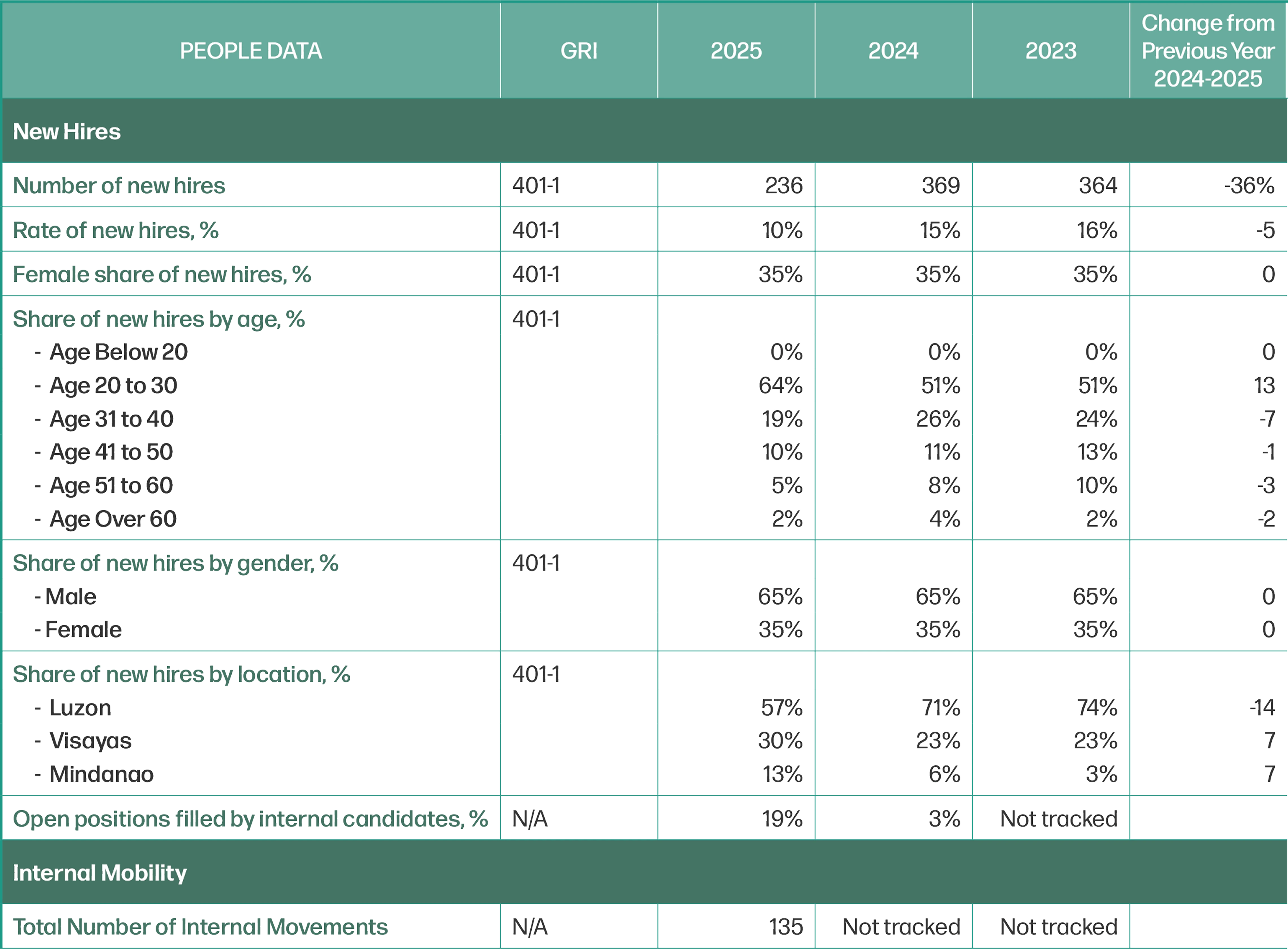
To support this approach, FPH established the Talent Mobility Policy, enabling structured movement across the FPH Group. The policy is grounded in the principle that diverse experiences and cross-company exposure enable employees to grow while generating new ideas, greater synergy, and deeper engagement for the Group. In 2025, First Gen recorded 135 total people movements—lateral transfers, project assignments, secondments, and concurrent employment—both within the Company and across the broader FPH Group. External hiring also expanded in Visayas and Mindanao, in step with the Company’s growing presence in those regions.
First Gen also continues to build its employer brand through career fairs, internships, and university partnerships. Ninety percent of students at career fairs recognized First Gen from prior attendance—a signal of sustained brand presence. For three consecutive years, 100 percent of interns indicated they would accept a full-time role at First Gen, reinforcing its employer-of-choice standing among emerging talent.
New partnerships with digital hiring platforms Kalibrr and Prosple extended First Gen’s reach among fresh graduates. On Kalibrr, a Top 50 placement provided expanded sourcing access across companies and subsidiaries. In its first year on Prosple, First Gen secured a Top 27 ranking on the Top 100 Employers List for 2025. Both platforms also served as channels for communicating First Gen’s mission and decarbonization goals to prospective talent.
Turnover and Internal Mobility Program
The competitive economic climate in 2025 posed considerable challenges for First Gen in retaining talent. The Company recorded a total attrition rate of 11 percent, equivalent to 263 employees. Departures were driven by a range of factors—retirements, the conclusion of fixed-term contracts, career advancement, and pursuit of further studies.
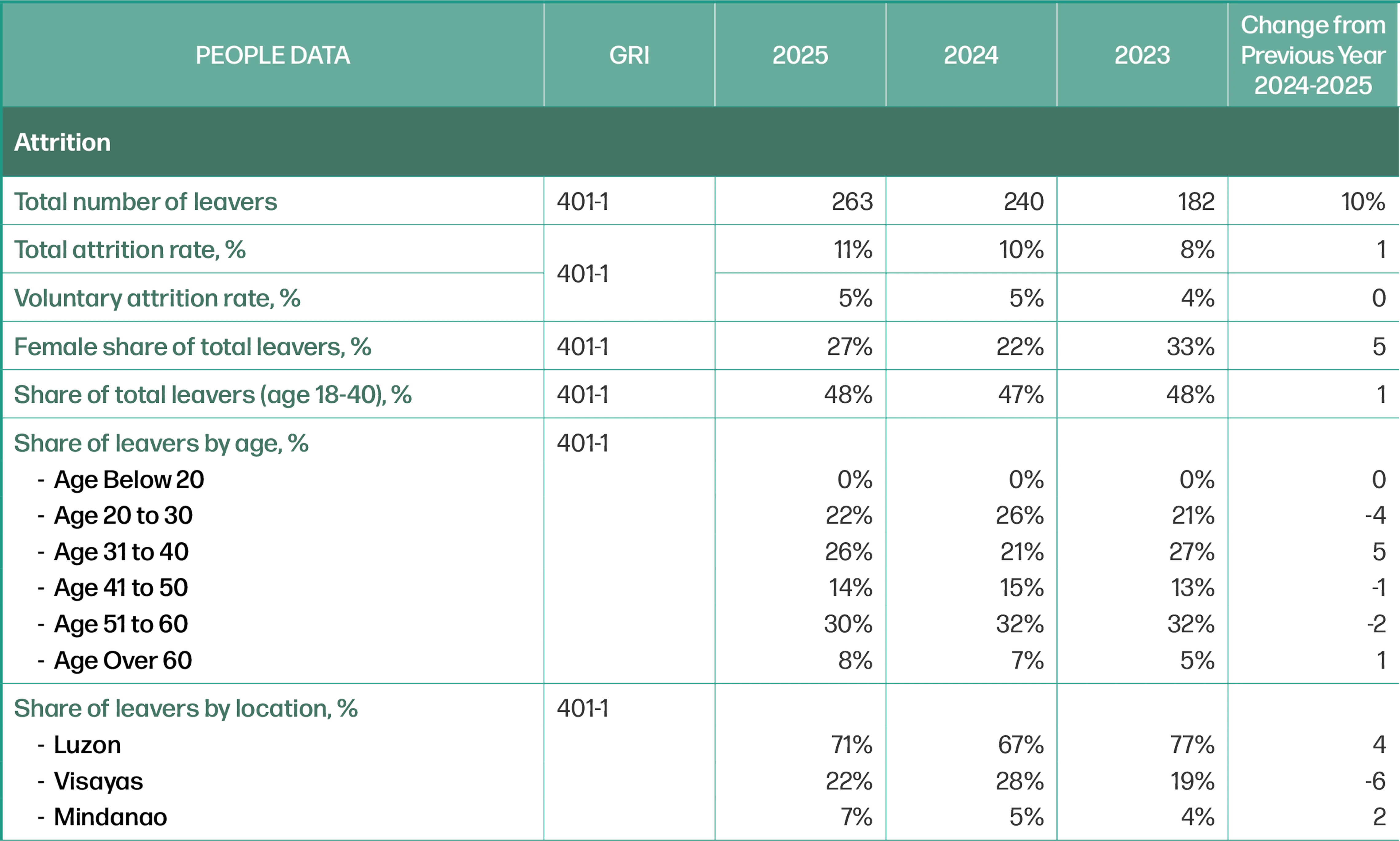
The primary driver of voluntary attrition was the pursuit of local career opportunities outside the Company. This reinforces the strategic importance of internal mobility, expanding career development pathways across the entire organization. Through First Gen’s HR management system, employees are able to update talent profiles and skills tracking—ensuring visibility for future internal placements and opening them to more opportunities for development as the organization evolves.
First Gen recorded 62 retirements in 2025. With 188 additional retirements projected over the next three years, succession planning and knowledge continuity remain active priorities for the HR Group.
Culture and Values
First Gen’s approach to people development goes beyond skills-building. It is rooted in a shared culture that defines how employees work, lead, and grow together.
B.E.S.T. Moves from the B.E.S.T. People
In 2023, First Gen defined a winning culture to anchor its choice to build the capabilities to execute at sale—one that required deeper collaboration across the Group to better serve customers’ varied energy transition needs.
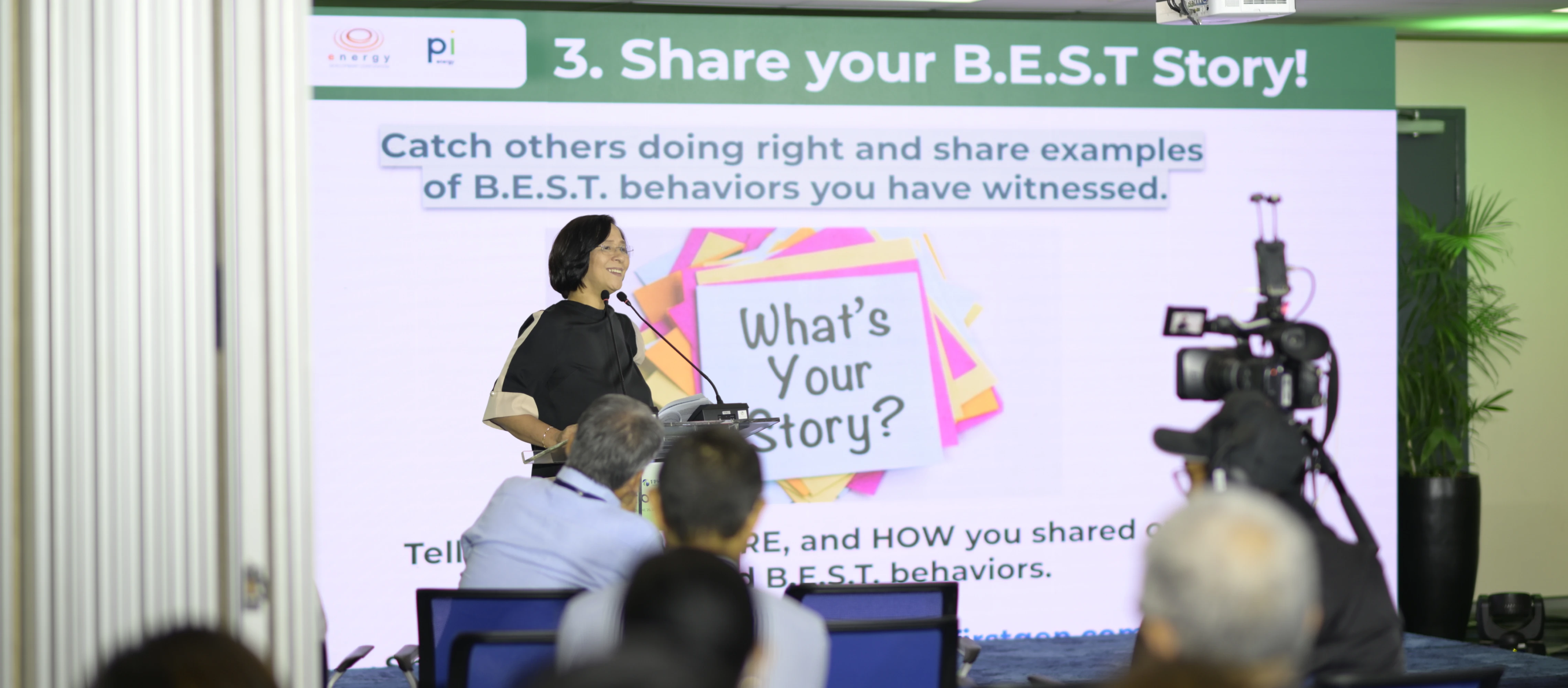
In 2024, this was formalized in the B.E.S.T. framework: Build Trust, Enable Change, Step Up Your Game, and Thrive Together. These four cultural pillars define shared behavioral standards across the Power Group, providing a common language for how teams work, lead, and respond to change. Culture camps were held for employees to define team norms anchored to B.E.S.T. principles and ground the Power Group in its growth aspirations.
By the end of 2025, 95 percent of Power Group teams had completed culture camps, focusing on embedding B.E.S.T. at the management and team levels. The framework served as the benchmark for talent sourcing, performance management, employee recognition, rewards, wellness, and overall learning and development throughout the year. Leader toolkits were used to support in-team and cross-team exercises anchored to the framework, while 23 B.E.S.T. Champs drove communications campaigns across all work sites, with collateral bearing the B.E.S.T. four-way test and smart-enabled materials serving as daily reminders to employees.
To further engage more than half of the workforce, employees were invited to submit B.E.S.T. stories for internal newsletters—resulting in 31 employee-authored articles detailing how colleagues brought the Company’s values to life. The Powered by Good VIBES (Vibes) and Power Up newsletters consistently reinforce these ways of working, maintaining a sustained readership of approximately 35 percent of the total employee population.
Powered by Good Vibes
Launched on March 25, 2025, Powered by Good VIBES is a weekly newsletter designed to shape Company culture through consistent, employee-centered storytelling. The platform features leaders, shares Company updates, and creates space for employees to document their own experiences and projects. By the end of 2025, over 30 published articles had highlighted individual authors and their contributions, including the Highlight-a-BESTie series, which complemented the B.E.S.T. culture campaign.
Vibes, a data-driven publication, also tracks performance through Mailmodo and Google Analytics—monitoring article readership, identifying optimal release timing, and providing real-time visibility into audience activity. Vibes maintains an average email open rate of over 72 percent and a click rate of over 23 percent, both well above the general internal communication benchmarks of 56.2 percent and 5.6 percent respectively.
Skills and Competencies: Employee Training and Development
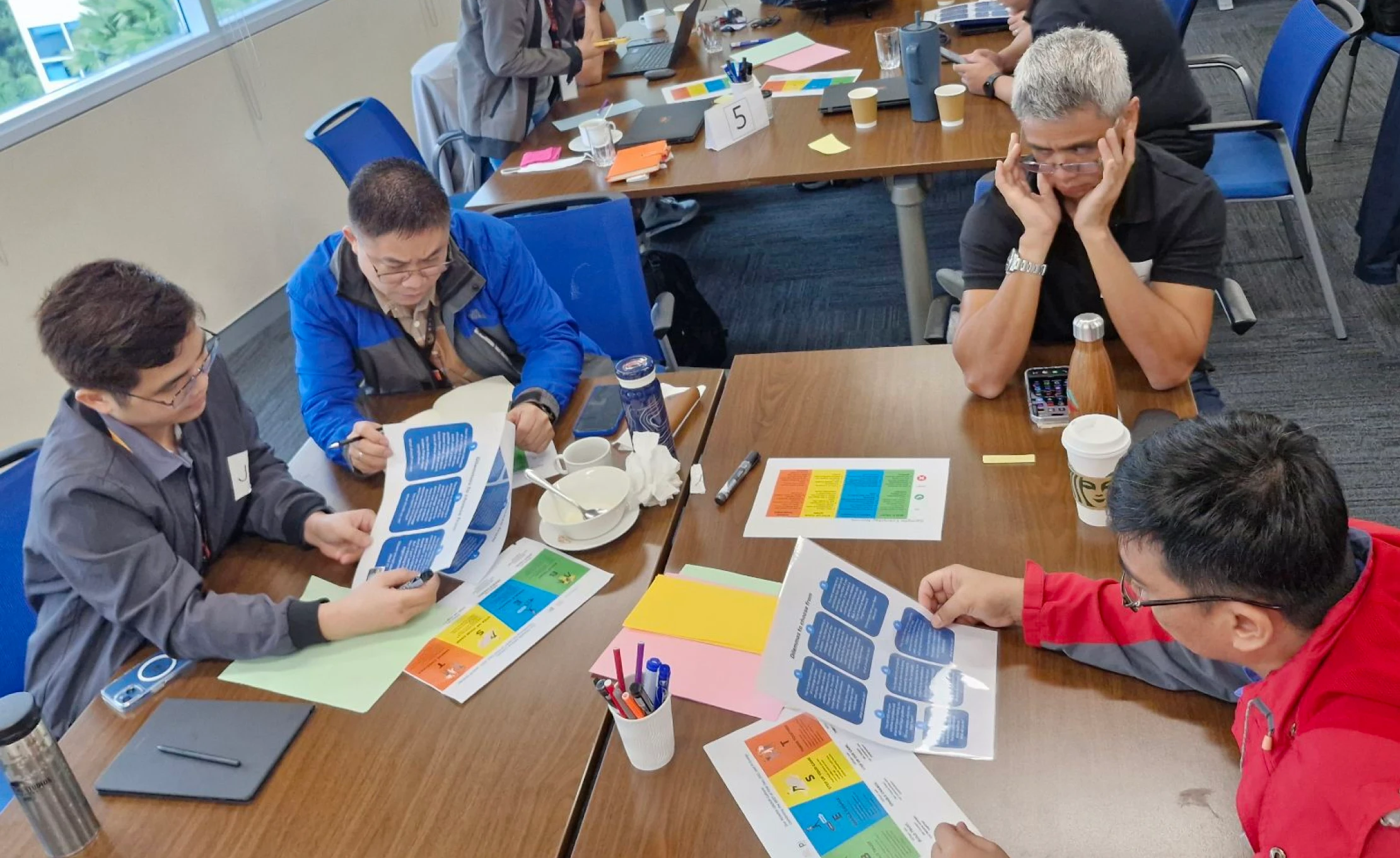
First Gen views the skills and capabilities of its people as a primary driver of strategic success. In 2025, the Company shifted toward a more targeted, high-impact learning mode, ensuring the workforce stays agile, technically proficient, and aligned with evolving business demands.
The year’s curriculum was built around four strategic pillars:
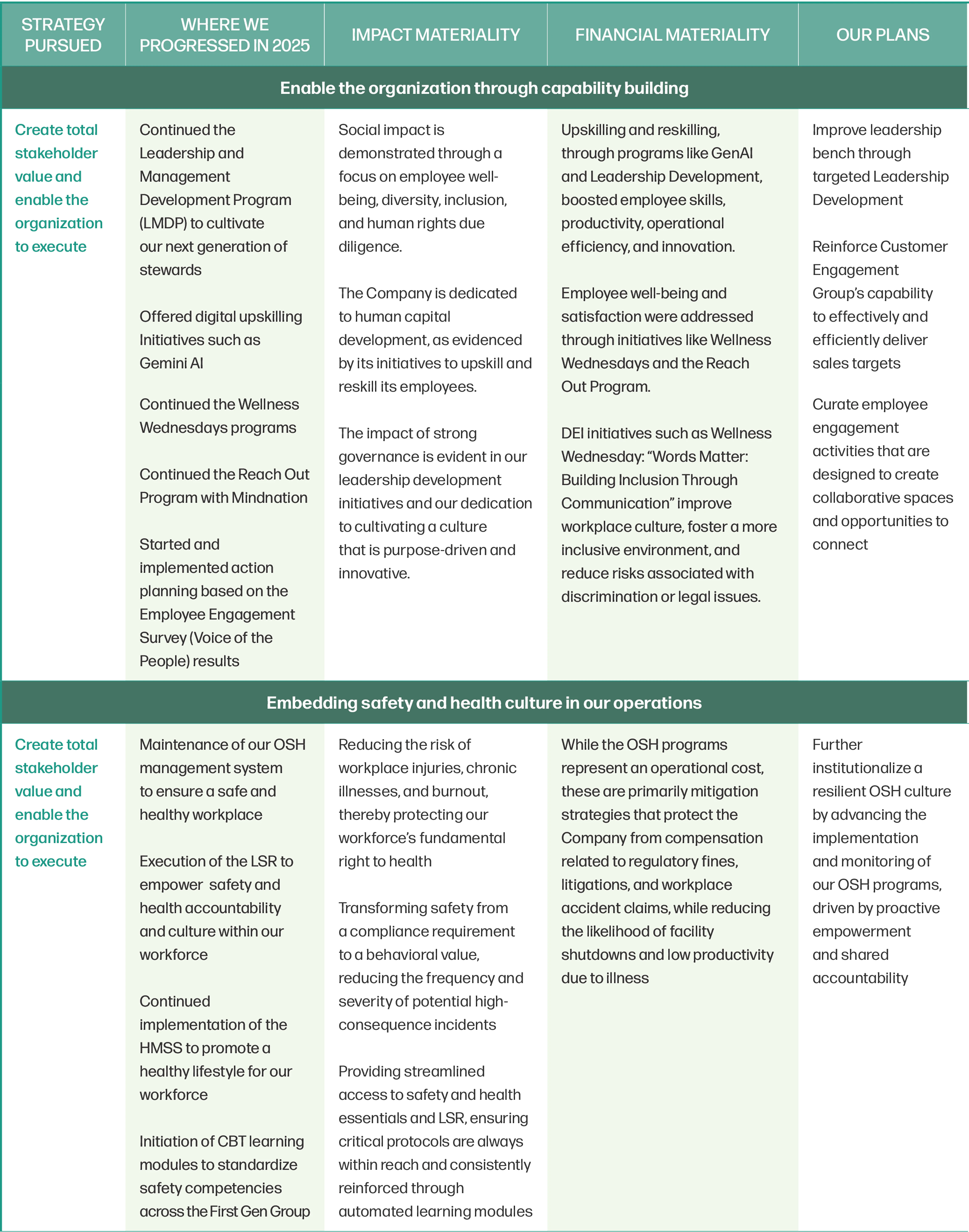
- Leadership Development: Continued investment in the Leadership and Management Development Program (LMDP) to cultivate the next generation of leaders
- Sales Enablement: Strengthened market positioning through the First Gen Way to Sell CARE Framework (Connect and Comprehend, Analyze and Advocate, Recommend and Resolve, Ensure Post-Sale), delivered via scenario-based workshops
- Functional Mastery and Capability-Based Courses: Essential programs for People Managers and Individual Contributors, including the Contracts 101 course, which earned a learner satisfaction rating of 4.9 out of 5.0
- Digital Literacy: Integration of Generative AI (GenAI) competencies across the organization through a dedicated AI Curriculum and training in prompt engineering
The Friday DEAL (Drop Everything and Learn) program has also continued as a cornerstone of workforce development, with the 2025 curriculum anchored on three themes: cultivating an intrapreneurial mindset, developing systems thinking for complex problem-solving, and building adaptability through future thinking.
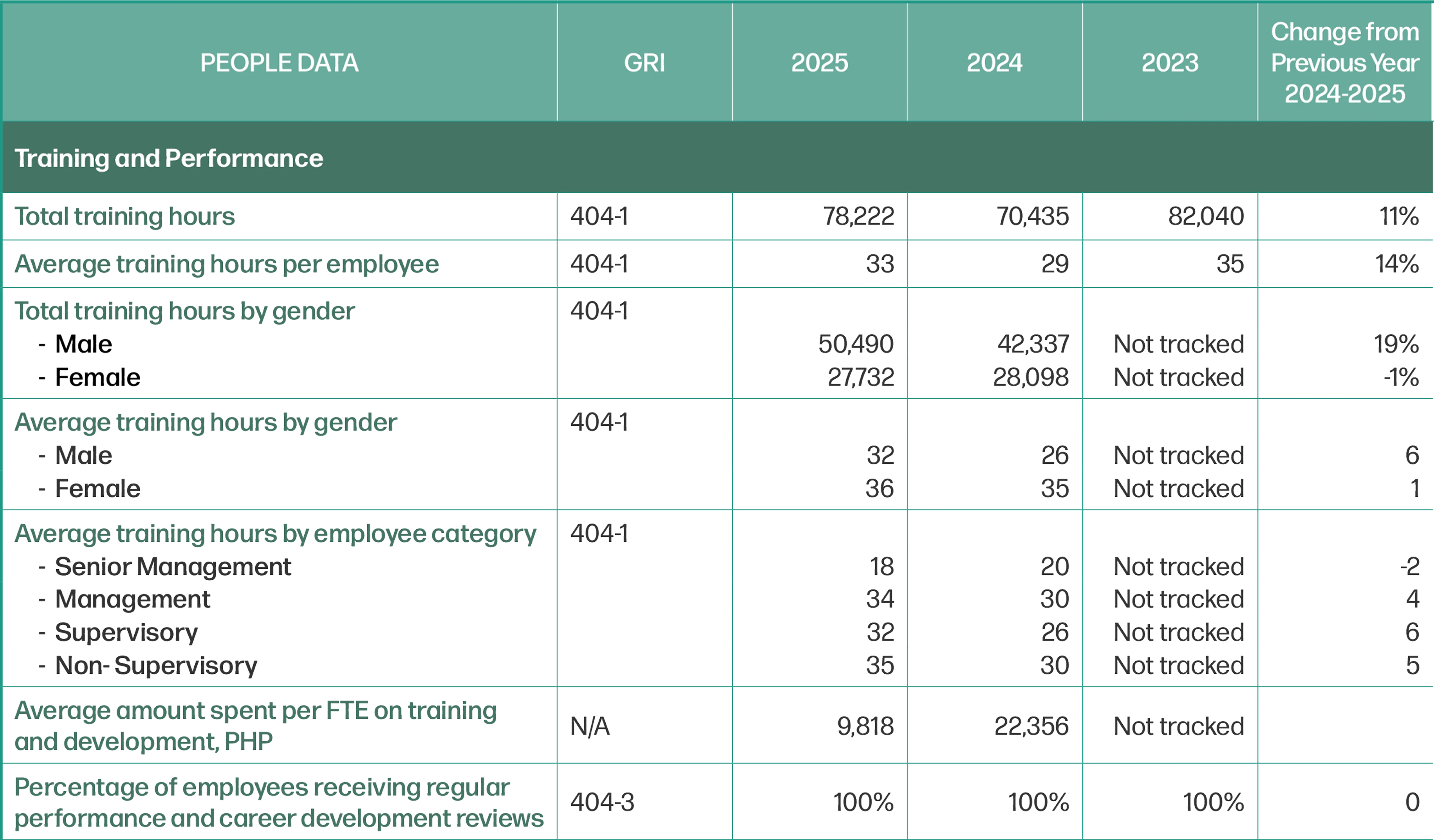
In 2025, the average learning investment was PHP9,818 per employee, with employees completing an average of 33 learning hours, a 14 percent increase from the prior year. One subsidiary closed the year with a training reach of 97.2 percent and a learner satisfaction score of 4.6 out of 5.0.
Employee Engagement and Well-Being
In 2025, First Gen continued to strengthen a workplace culture grounded in inclusion and belonging. Building on prior-year foundations, efforts focused on strengthening governance, embedding inclusive practices in people systems, and reinforcing shared behavioral standards across the organization.
Optimizing HR Data for Diversity, Equity, and Inclusion
First Gen enhanced its HR systems and processes for better data consistency, accuracy, and alignment with inclusive practices, focusing on how employee and candidate information is captured. Key updates included adopting gender-neutral language in documents and improving data fields to support accurate self-identification. By adding Gender Identity and Disability options and updating Gender to Sex at Birth, the Company built a reliable diversity baseline aligned with its Diversity, Equity, and Inclusion (DEI) goals. Beyond systems, HR fostered inclusive practices through awareness and capability-building—developing guidelines on gender-neutral language, updating templates, and conducting training on respectful communication.
Empowering Women through the Women’s Circle
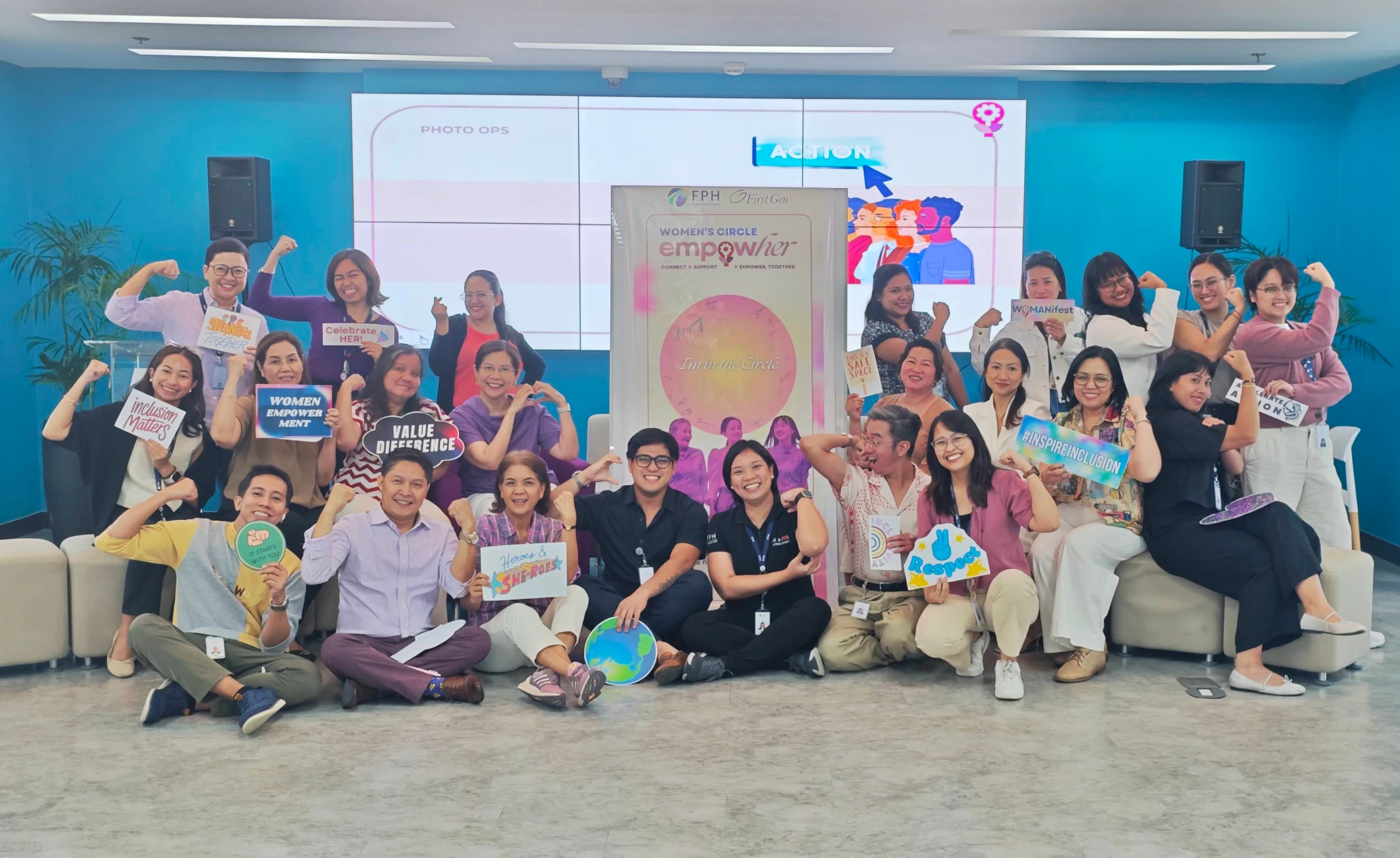
First Gen established its first Employee Resource Group (ERG), the Women’s Circle—a safe, structured space for women and allies to connect, support, and empower one another professionally. The group was equipped with six customized sessions based on Lean In’s Centered Leadership Model. The EmpowHER sessions saw 90 percent member participation and were rated 3.9 out of 4.0 for impact on members’ experience and empowerment. The Women’s Circle is off to a promising start, paving the way for future ERGs and reinforcing the role of employee-led initiatives in strengthening engagement and growth.

Building a Culture of Care: The Family Welfare Program
The Family Welfare Program (FWP) Policy was established to provide comprehensive support for employees and their families, aligned with DOLE Department Order 56-03. The Family Welfare Committee (FWC) was activated and operationalized with sustained governance through a regular cadence, spearheading family welfare initiatives across the ten dimensions defined by the Department of Labor and Employment.
Protecting Employees through Accurate Employee Data: Emergency Contact (EC) and Next of Kin (NOK)
To enhance employee safety readiness, First Gen launched an initiative to improve the accuracy of Emergency Contact (EC) and Next of Kin (NOK) information in our HR system. This addressed a critical gap by ensuring vital data would be available during emergencies for quicker response and better support for employees and their families, while improving record reliability.
Through multi-platform campaigns supported by leadership and the Family Welfare Committee, EC compliance rose from 78 percent to 87 percent by the end of 2025. Furthermore, NOK data was successfully captured for the first time.
These outcomes collectively strengthened our emergency response capability, reduced operational risks, and enabled timely organizational support.

Wellness Wednesdays and the Reach Out Program
Employee well-being was further supported through the Wellness Wednesdays program, which delivered sessions on key well-being dimensions: inclusive communication, health prevention, agility, productivity, confidence, and financial health. Six sessions in 2025 drew 327 participants and achieved an average rating of 3.6 out of 4.0. The Reach Out Program (Employee Assistance Program) complemented this by offering psychosocial support to employees and dependents, with 28 employees completing 57 individual counseling sessions during the year.
Ensuring Workplace Safety and Fairness
The 2025–2027 Committee on Decorum and Investigation (CODI) was installed across all locations, in line with Company policy and Republic Acts 7877 and 11313. Composed of representatives from management, supervisory, and non-supervisory levels, the CODI serves as a formal and impartial body for concerns related to sexual harassment and inappropriate workplace behavior.
Employee Surveys
In 2025, we pursued efforts to ensure that the well-being of our employees were accounted for and addressed.
A First Gen subsidiary conducted the Kumusta Kapamilya Survey 2025 to measure employee engagement near year-end, evaluating goal awareness, alignment, commitment, action, and support. The survey yielded an average fulfillment score of 4.0 out of 5.0, with focus group discussions scheduled to continue in 2026.
Creating Safe Channels for Employee Concerns: Workplace Issues Resolution
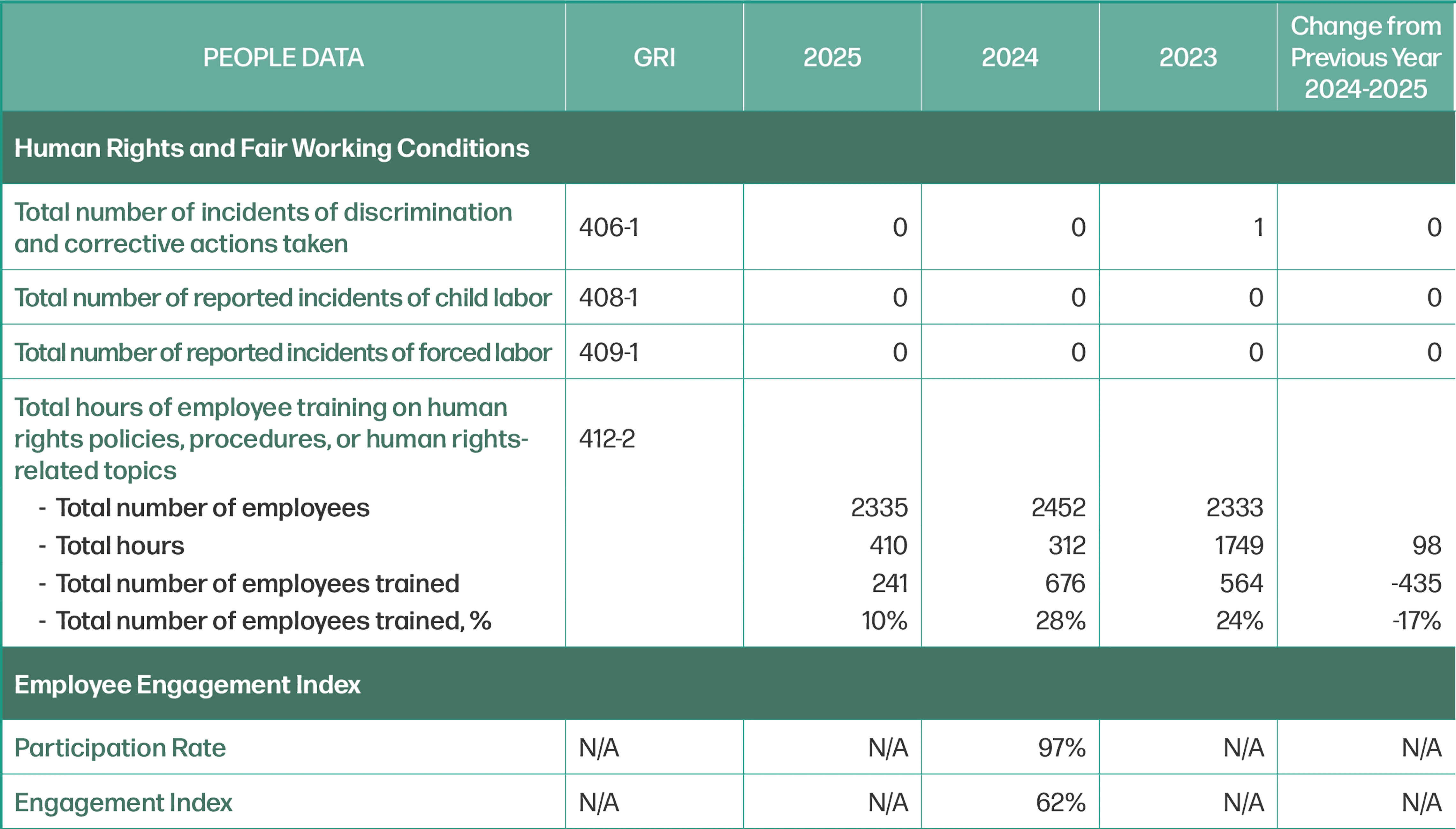
First Gen’s commitment to maintaining a fair, transparent, and responsive workplace is demonstrated through the effective implementation of its Workplace Issues Resolution Policy. In 2025, the Company’s robust issue resolution framework proved effective when the single reported grievance case was resolved within five days. This swift and positive outcome was achieved through a clear resolution process, timely and proactive intervention by people managers, and close partnership with HR for policy guidance and alignment. These practices are central to fostering respectful dialogue, ensuring the quick resolution of concerns, and continually building trust and accountability within the workplace.
No incidents related to human rights were reported in 2025.
Compensation and Benefits: Strategy, Compensation, and Governance
First Gen’s compensation philosophy is built on four core principles: aligning with long-term shareholder value creation, using variable pay to drive performance, offering a competitive total rewards package, and linking pay increases to Company and individual performance. This approach underpins the Company’s ability to attract, develop, and retain talent, while recognizing superior performance and building the capabilities needed to achieve its corporate vision.
The total compensation framework balances market competitiveness with financial prudence, and is designed to be performance-driven, flexible, inclusive, and free from gender bias. Compensation includes base salary, fixed bonuses, variable performance-based pay, and employee benefits—all managed with transparency and governance oversight. The Company regularly assesses internal equity and external market benchmarks, tailoring its salary and benefits to employee needs while maintaining full legal compliance. Employee feedback is actively sought to ensure benefit programs remain relevant.
Directors receive a standard per diem and supplementary bonuses for meeting attendance but no salary, as provided under the Company’s By-laws. The Board sets the per diem amount, and stockholders have established a maximum annual compensation limit for Directors, calculated as a percentage of the prior fiscal year’s net income before income tax.
Occupational Safety and Health
First Gen maintains its Occupational Safety and Health Management System (OSHMS) based on Philippine Occupational Safety and Health regulations and in reference with ISO 45001:2018. The OSHMS is guided by the Company’s ESH Policy and governed by the ESH Committee, led by the President and other senior management members—in accordance with DOLE Rule 1040, which mandates that organizations maintain a health and safety committee and implement OSH programs. The ESH Committee, facilitated by the Quality, Environment, Safety and Health (QESH) Group, regularly reviews ESH metrics, occupational safety and health risks, incidents, new laws, and other safety and health concerns. First Gen subsidiaries EDC, FG Hydro, and FG Bukidnon also maintain their own OSHMS to ensure healthy and safe work practices across all sites.
OSH Processes
Health and safety work programs and procedures are developed based on annual risk assessments and reviews, following the Company’s Hazard Identification, Risk Assessment and Control (HIRAC) procedure. Hazards and risks across routine and non-routine activities are identified and classified as high, medium, or low based on likelihood, impact, and existing controls. To prioritize workplace safety measures, First Gen applies the hierarchy of controls—elimination, substitution, engineering controls, administrative controls, and personal protective equipment (PPE) as the last line of defense. Employees’ safety and health roles and responsibilities are clearly defined, and worker participation in the OSHMS is actively encouraged through safety inspections, pre-task safety meetings, hazard reporting, and incident reporting.
In 2025, prioritized fleet-wide health and safety risks included vehicle collision, lifting and rigging operation failure, workers struck by
falling objects, loss of containment due to ruptured pipes, wellhead failures and blowouts, and increasing hand and eye injuries. Mitigating controls were set and evaluated for effectiveness.
To ensure that we are prepared from the impacts of natural catastrophes like typhoons, earthquakes, and other emergency situations like fire, oil spill, and bomb threats, our sites are equipped with emergency plans and the employees are capable of responding through training. These emergency plans and capabilities are tested and improved through drills, table top exercises, and feedback mechanisms.
To ensure that the implementation of processes is in accordance with the established policies and processes, First Gen conducts rigorous annual Internal and Corporate OSH Audits. These assurance activities verify that our safety plans and programs are not only implemented but remain effective in a dynamic operational environment. A critical component of our audit framework is the Corrective Action Process. Any identified nonconformities or potential risks undergo a systematic Root Cause Analysis (RCA). This disciplined approach ensures that we address the underlying drivers of a risk—rather than just the symptoms—implementing targeted actions to prevent recurrence and further fortify our organizational resilience.
Programs and Initiatives
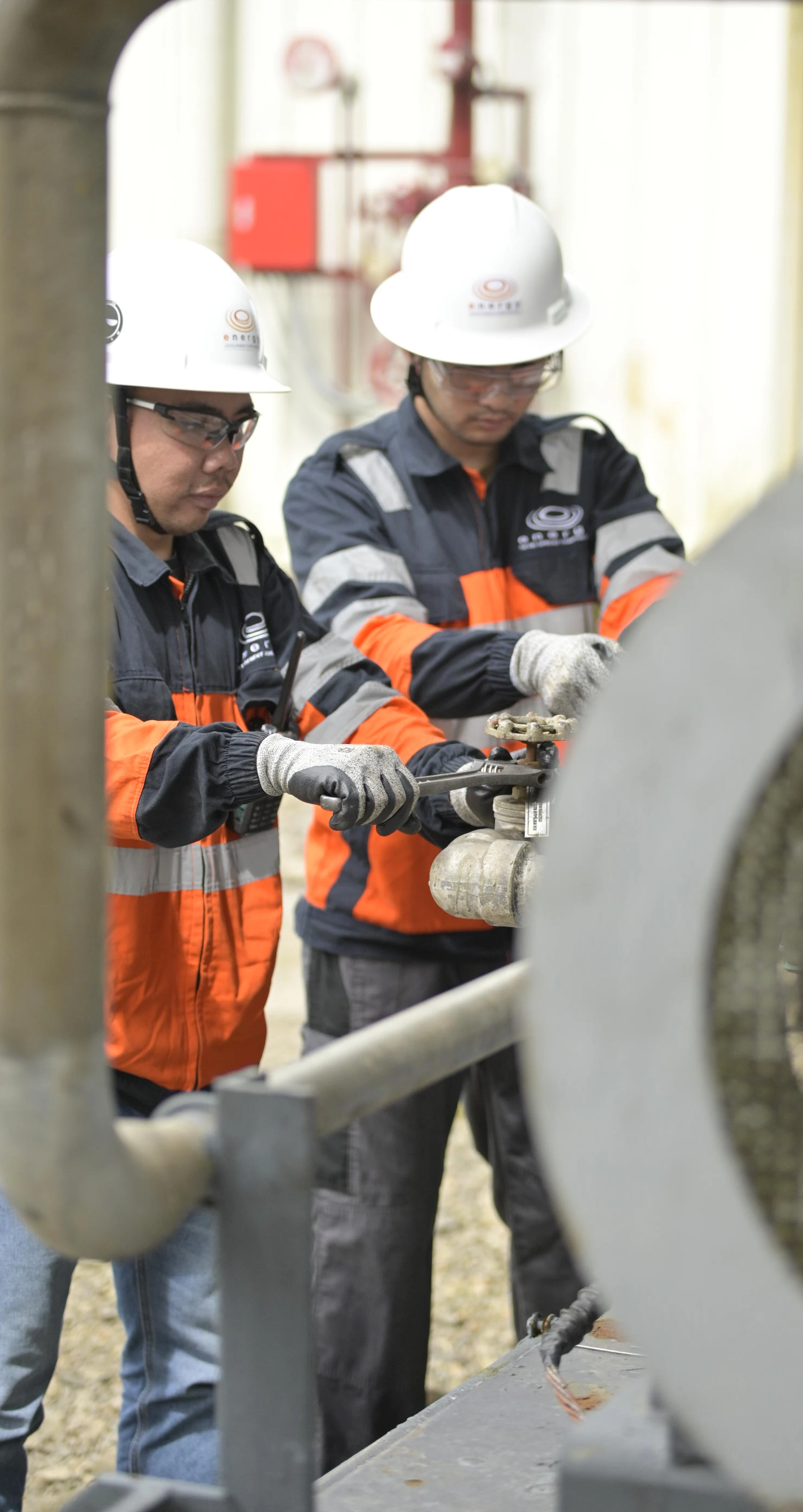
In 2025, a total of 350 OSH-related training sessions were conducted across the First Gen Group. These included the mandatory eight-hour OSH training in compliance with DOLE DO 198 Series of 2018, in accordance with the IRR of RA 11058, Fire Safety Training, Mental Health Awareness Lecture, First Aid Training, Refresher Orientations for ERT on Hazard Containment and Fire Brigade Team, Safe Driving Orientation, Scaffold Safety, Work at Heights and Ladder Safety Training, and OSH Orientations.
Employee engagement on safety was sustained through Kapihan sa QESH (KSQ)—employee engagement sessions where OSH topics and practical tips were discussed by internal and external subject matter experts. Five KSQ sessions were held in 2025, attended by 315 participants, covering topics including Heart Health and Fire Prevention, FPH Life Saving Rules, the Family Welfare Policy, and Safe and Healthy Holidays. The Stay Fit to Win It Challenge complemented these sessions—a wellness program encouraging employees to walk and move—with 26 teams formed from 78 FPH and First Gen employees.
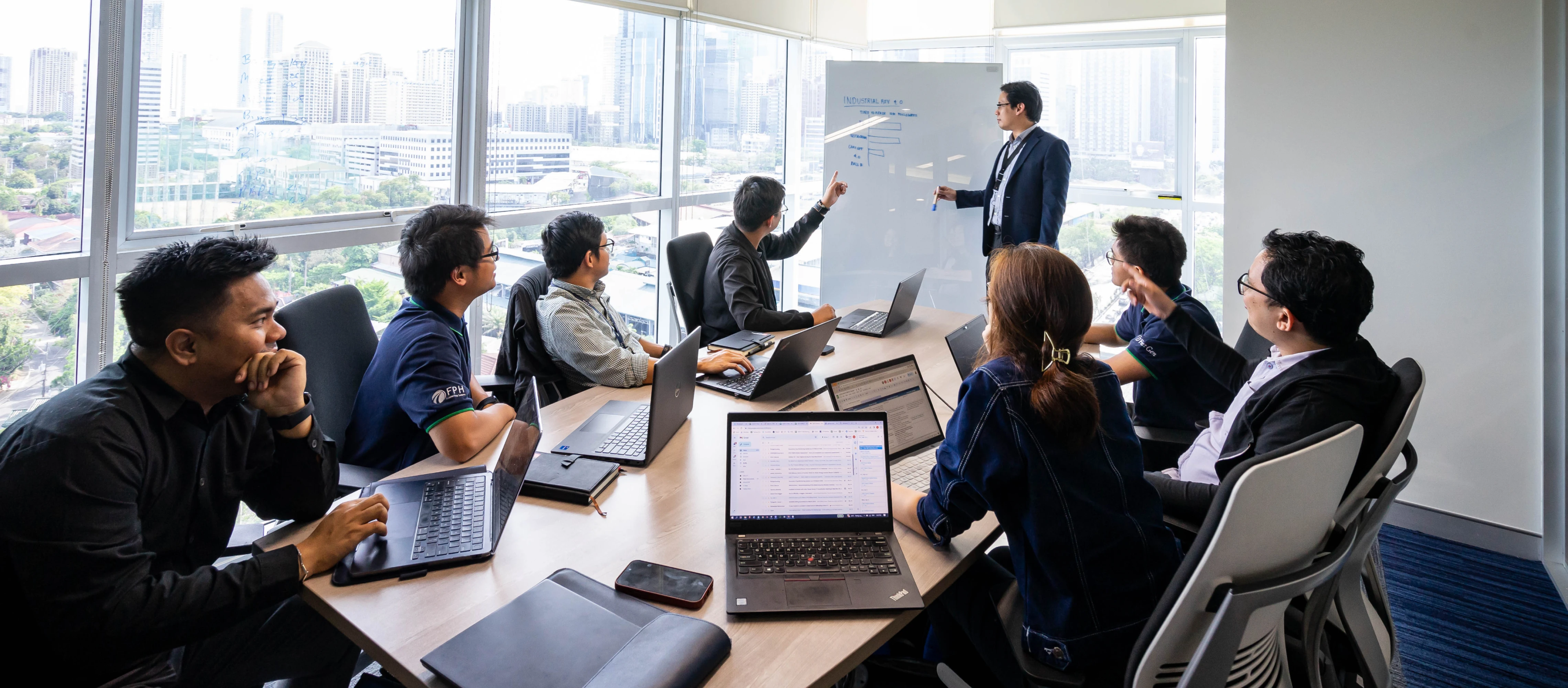
2025 Key Highlights
- Life-Saving Rules (LSR) Policy
First Gen adopted the IOGP Life-Saving Rules to establish a universal safety language across the Group. These rules define a set of clear, non-negotiable actions designed to prevent serious injury or fatality, applicable to everyone working on First Gen premises. The LSR was cascaded to all subsidiaries to align practices, responsibilities, and expectations—supported by an updated Consequence Management Program that fosters a culture of accountability and proactive intervention. The LSR has been embedded into new hire onboarding, HSE inductions, toolbox talks, and pre-task meetings for employees, and into Start Work Checks for contractor partners. A Life-Saving Rules Video-on-Demand (VOD) was developed as a unified, digital means of enforcing standardized critical safety behaviors across First Gen subsidiaries. - Health Management System Standards (HMSS)
First Gen maintains the HMSS. The HMSS defines the major elements of the Company’s risk-based occupational health programs, ensuring relevance and compliance with regulatory requirements. It covers seven areas: health risk assessment, health performance monitoring and assessment, fitness-to-work evaluation, health promotion and wellness, medical emergency response, environmental health, and occupational health in the contracting process. These standards guide ESH personnel in ensuring that required medical examinations, health monitoring, and wellness activities are carried out consistently across the organization. - Computer-Based Training and QESH Connect
A Computer-Based Training (CBT) framework was implemented to standardize safety competencies across all business units—accessible to all First Gen employees through the Workday module. CBT modules cover Contractor ESH Management, QMS/ESH Management System Overview, Compliance Assurance, Incident Reporting and Investigation, Motor Vehicle Safety, the FPH Single-Use Plastic Policy, and Hazard Identification.
Complementing this is QESH Connect, an AI-enhanced search tool embedded within the FPH QESH Hub, providing employees with instant access to critical safety intelligence across First Gen, the FPH Group, and Lopez affiliates. QESH Connect offers real-time resource retrieval, reduces search time, and ensures that results reflect the most current, approved versions of ESH policies and procedures.
Safety Performance
First Gen recorded seven Lost Time Incidents (LTIs) in 2025, a reduction from 15 in 2024—with zero work-related fatalities. The seven LTIs, six restricted work cases, and 43 medical treatment cases resulted in the Company’s 2025 Total Recordable Incident Rate (TRIR) of 0.35, against the target of 0.18. The incidents were investigated and addressed with corrective and improvement actions. The critical insights from incidents were disseminated through lessons learned bulletins and the FPH-First Gen QESH Technical Working Group quarterly meetings, ensuring the systemic prevention of recurring incidents. The Company continues to reinforce safety processes and programs across all subsidiaries to close this gap and sustain the progress achieved in fatality prevention. Further, our compliance obligation registers were continuously updated to reflect evolving national and local mandates. First Gen maintained 100 percent compliance with OSH regulatory requirements.
First Gen’s 2025 safety performance reflected meaningful progress. The tables below present the full results against targets.
OSH Targets vs. Actuals 2023–2025

OSH Performance Metrics 2023–2025
Summary of Our Human Capital Performance, Impacts, and Plans